

Esports & Gaming Industry Jobs in India
Complete Career Guide: Salaries, Entry Paths, Job Roles, Growth Outlook & Industry Recognition (2026)
Is esports a real career in India?
Yes. Esports and gaming are now officially recognized as legitimate career paths in India, with government backing, regulatory clarity, and measurable income opportunities. This is no longer a niche pursuit—it’s an emerging industry sector with institutional support and growing professional infrastructure.
This guide provides factual, evidence-based career information on legitimate gaming and esports jobs in India: who hires, what they pay, what skills you need, entry requirements, and realistic growth prospects. We separate facts from hype and address why this industry matters for job seekers now.
1. Why Gaming & Esports Is a Legitimate Career Now
Until recently, gaming careers in India existed in a gray zone—lucrative for some, uncertain for most, and socially questioned. That landscape has shifted fundamentally in 2025–2026.
Recommended Resource
Discover exclusive access to this recommended platform. Click below to explore more.
Government Recognition & Regulatory Clarity
The Promotion of Online Gaming Lok Sabha Bill 2025 officially separated esports and skill-based gaming from betting/gambling, providing regulatory clarity. The government has formally recognized esports as a distinct sector with growth potential.
Key developments:
- Ministry of Youth Affairs & Sports designated as nodal agency for esports
- Real-money gaming banned; skill-based competition incentivized
- Government cash incentive programs for international medalists (esports included)
- Multiple states (Tamil Nadu, Bihar, Maharashtra) included esports in official sports calendars
Industry Scale & Employment Growth
This isn’t a small sector. The gaming industry in India is one of the fastest-growing in the world:
Sources: NASSCOM, PwC India, KPMG, Coherent Market Insights 2025 reports.
Corporate & International Presence
India is becoming a global gaming hub. International studios now have significant operations here:
- Rockstar Games, Zynga, Ubisoft, Sony AI: Major research & development centers in Bangalore
- NODWIN Gaming: Raised $10 million (July 2025) to expand esports initiatives
- Indian studios: Games like Raji, Kena: Bridge of Spirits gained global recognition
- Sponsorships: Fortune 500 brands (tech, telecom, automotive) investing in esports tournaments
This means real employers, real job postings, and real paychecks—not just tournament winnings or hobby income.
2. Indian Gaming & Esports Industry Snapshot
Market Size & Structure
The Indian gaming market is segmented into distinct revenue streams:
| Revenue Segment | Market Share (2025) | Key Driver |
|---|---|---|
| In-Game Purchases | 63.49% | Virtual goods, cosmetics, battle passes |
| Sponsorships & Advertising | 61.2% (esports) | Brand partnerships, tournament sponsorship |
| Streaming Revenue | Growing segment | Ads, subscriptions, donations |
| Prize Money | ₹30–35 Crore (annual) | Tournaments, championships |
Geographic Distribution of Opportunity
Job and career opportunities are concentrated but growing in multiple cities:
| Hub | Focus | Key Companies |
|---|---|---|
| Bengaluru | Game development, high-end studios | Rockstar, Zynga, Ubisoft, Sony AI |
| Hyderabad | Game development, tech studios | Emerging indie studios, tech companies |
| Mumbai | Esports organizations, streaming | GodLike, Enigma, content agencies |
| Delhi-NCR | Esports, startups, publishing | NODWIN, smaller esports teams |
| Other Metros | Growing: Pune, Chennai, Kolkata | Local esports communities, indie devs |
Who’s Hiring in Gaming & Esports
- International Game Studios: Rockstar, Zynga, Ubisoft, EA, Sony
- Indian Game Developers: SuperGaming, Nonstop Knights, Raji creator Nodding Heads Games
- Esports Organizations: GodLike Esports, Revenant Esports, Enigma Gaming, S8UL, SouL
- Streaming Platforms: Rooter, Loco, YouTube, Twitch (content partner roles)
- Tournament Operators: NODWIN Gaming, Skyesports, JetSynthesys
- Related Sectors: Hardware (gaming PC makers), agencies (esports marketing), media companies
Popular Games Creating Job Demand
These titles have the largest competitive scenes and, therefore, job opportunities:
- BGMI (Battlegrounds Mobile India): Largest prize pools, sponsorships, coaching demand
- Valorant: Growing competitive scene, team salaries, coaching roles
- Counter-Strike 2: Established competitive infrastructure
- Mobile & Indie Games: Development opportunities in smaller studios
3. Core Career Roles Explained (With Salary Data)
The gaming & esports industry employs people in many roles beyond “pro player.” Here are the main career paths with verified salary ranges (2025 data).
What they do: Write code for games using engines like Unity or Unreal. Responsibilities include gameplay mechanics, backend systems, bug fixing, optimization.
Required skills: C++, C#, Java, game engines (Unity, Unreal), 3D graphics, problem-solving.
Entry requirements: Bachelor’s degree in Computer Science preferred; portfolio of games/projects matters more than degree alone.
Salary ranges:
| Experience | Annual Salary | Monthly (Avg) |
|---|---|---|
| Entry-level (0–1 yr) | ₹3.3–5 LPA | ₹27,000–41,000 |
| Early career (1–4 yrs) | ₹4–8 LPA | ₹33,000–67,000 |
| Mid-career (5–9 yrs) | ₹8–15 LPA | ₹67,000–1,25,000 |
| Senior (10+ yrs) | ₹15–25+ LPA | ₹1,25,000–2,08,000+ |
Career progression: Junior → Senior Developer → Lead Developer → Technical Director.
Reality check: High skill ceiling. Top developers at AAA studios earn significantly more. Indie devs may earn less initially but can earn more if their game succeeds.
What they do: Create game mechanics, level design, narrative, user experience. Design documents guide developers. Focus on fun, balance, and player engagement.
Required skills: Level design, gameplay balancing, storytelling, prototyping (sometimes coding basics), user psychology, communication.
Entry requirements: Portfolio of game designs, mods, or personal projects. Degree helpful but not mandatory. Design certifications valuable.
Salary ranges:
| Experience | Annual Salary | Monthly (Avg) |
|---|---|---|
| Entry-level | ₹1.8–3 LPA | ₹15,000–25,000 |
| Mid-career (4–6 yrs) | ₹4–12 LPA | ₹33,000–1,00,000 |
| Senior (8+ yrs) | ₹8.6–15 LPA | ₹71,000–1,25,000 |
Reality check: Game designers slightly out-earn developers in entry roles. Demand is high for experienced designers with proven shipped titles.
What they do: Create 2D/3D art assets, character models, environments, animations, visual effects. Work in Blender, Maya, Substance, Unreal.
Required skills: 3D modeling, texturing, animation, Maya or Blender, concept art, visual design.
Entry requirements: Portfolio with 3D models, character designs, or animation reels. Degree in VFX/Animation or self-taught with strong portfolio.
Salary ranges:
Entry-level: ₹3–4 LPA | Mid-career: ₹5–9 LPA | Senior: ₹9–15 LPA
Reality check: Artists with VFX experience from film/animation earn more. Game art has lower entry barriers than programming roles.
What they do: Test games for bugs, glitches, balance issues, and performance. Write detailed bug reports. Play games systematically for quality assurance.
Required skills: Attention to detail, testing methodologies, communication, documentation, basic game knowledge.
Entry requirements: No degree required. High school or diploma sufficient. Certifications in QA testing help.
Salary ranges: ₹2.3–5 LPA (entry to experienced)
Reality check: Entry-level role with high turnover. Most people use it as stepping stone to design or development. Salaries lower than dev/design roles.
What they do: Manage game development projects. Coordinate between designers, developers, artists, and management. Ensure timely delivery and quality.
Required skills: Project management, leadership, communication, game knowledge, business acumen, problem-solving.
Entry requirements: Usually requires 3–5 years in other gaming roles first. MBA helpful but not required.
Salary ranges: ₹4.2–15 LPA (entry) | ₹11–23 LPA (mid) | ₹10–22.2 LPA (senior)
Reality check: Highest-paying non-director role. Requires experience in other gaming fields first.
What they do: Compete in professional tournaments. Train daily, analyze strategies, represent teams, stream content.
Required skills: Extreme game mastery, reflexes, strategy, teamwork, consistency, mental resilience.
Entry requirements: No formal requirement. Skill is everything. Usually start in tier-3 teams and progress.
Salary ranges (highly variable by tier):
| Player Tier | Annual Income | Income Sources |
|---|---|---|
| Tier 3 (Aspiring) | ₹3–6 LPA | Small tournaments, streaming |
| Tier 2 (Semi-pro) | ₹5–15 LPA | Team salary, tournaments, sponsorships |
| Tier 1 (Pro) | ₹15–30 LPA | Team salary (₹2.5–4 LPA/month), tournament winnings, brand deals |
| Elite/International | ₹30 LPA+ | Team salary + tournament prize pools + sponsorships |
Reality check: Income is highly unpredictable. Top BGMI/Valorant players earn ₹2.5–4 lakh/month. Most tier-2 players earn ₹40,000–75,000/month. Career span is short (10–15 years peak). Tournament success varies. Sponsorships are crucial for stable income.
What they do: Train professional players, analyze opponents, develop strategies, improve team performance. Work in team environments.
Required skills: Deep game knowledge, coaching experience, communication, strategy understanding, player psychology.
Entry requirements: Usually requires being a semi-professional player first. Certifications emerging. Strong game sense essential.
Salary ranges: ₹4–8 LPA (coaches) | ₹5–10 LPA (analysts)
Reality check: Growing but still limited roles. Team-based income (salary + bonuses based on performance).
What they do: Stream gameplay on Twitch/YouTube, create video content, build audience, monetize through ads, sponsorships, donations.
Required skills: Gaming ability, entertainment value, consistency, community engagement, editing (if YouTube), social media management.
Entry requirements: None. Anyone can start. Success requires 6–24 months of consistent streaming to earn meaningful income.
Salary ranges (highly variable):
- Micro-streamers (100–1000 viewers): ₹0–10,000/month
- Small streamers (1000–5000 viewers): ₹10,000–30,000/month
- Mid-tier (5000–15,000 viewers): ₹40,000–1,00,000/month
- Popular streamers (15,000+ viewers): ₹1,00,000–5,00,000/month+
- Top creators: ₹8–9 crores/year (from brand deals + content)
Reality check: Saturated field. Most streamers earn nothing for 6+ months. Income depends on audience size, engagement, luck. Brand partnerships are primary income for established streamers.
What they do: Manage esports teams operationally. Handle contracts, sponsorships, travel, player welfare, team logistics.
Required skills: Project management, communication, business sense, negotiation, problem-solving.
Entry requirements: Degree in management or related field. Sports management background helpful.
Salary ranges: ₹4–6 LPA (entry) | ₹6–12 LPA (experienced)
Reality check: Emerging role. Growing as organizations professionalize. More stable than player careers.
4. Game Development & Design Careers
Path to Game Development
Formal education route:
- Bachelor’s in Computer Science or Game Development (3–4 years)
- Specialized programs: DSEU, NIIT, Sharda University, etc.
- Internships at studios (paid, 3–6 months)
- Entry-level junior developer role
Self-taught route (more common):
- Learn Unity or Unreal Engine (free, online tutorials)
- Learn C# or C++ (YouTube, Udemy, Coursera)
- Build 2–3 complete games as portfolio
- Upload to itch.io, Newgrounds, or GitHub
- Apply to studios with portfolio
Why Game Development in India
India is becoming a major game development hub for global studios:
- Cost advantage: Salaries lower than US/Europe, attracting outsourcing work
- Talent availability: Growing pool of skilled developers
- Infrastructure: Tech parks, internet, company setup ease
- International studios: Rockstar, Zynga, Ubisoft hiring Indians
Game Studios to Target in India
International studios with India operations: Rockstar Games (Bengaluru), Zynga/Take-Two (Bangalore), Ubisoft (Pune, Bangalore), Sony AI (Bangalore)
Indian game studios: SuperGaming, Nodding Heads Games (Raji), Moonfrog Labs, Games2Win, Dream11 Gaming
5. Professional Esports Player Career Path
Realistic Progression Timeline
Year 1–2: Aspiring (Tier 3)
- Play for free in community tournaments
- Join tier-3 teams (minimal salary, prize pool sharing)
- Build reputation, streaming audience
- Income: ₹0–3 LPA (mostly from streaming, occasional tournament winnings)
Year 2–4: Semi-Professional (Tier 2)
- Get signed to tier-2 organization
- Receive monthly salary (₹40,000–75,000/month)
- Compete in national tournaments
- Build sponsorships, streaming income
- Income: ₹5–15 LPA (salary + tournament winnings + sponsorships)
Year 4–8: Professional (Tier 1)
- Play for top organizations (GodLike, SouL, etc.)
- Salary: ₹2.5–4 lakh/month + performance bonuses
- Compete internationally
- Major sponsorship deals (brands, hardware, betting platforms)
- Income: ₹15–30+ LPA (highest earning period)
Year 8+: Decline or Transition
- Reflexes decline (age 25+ is considered old in esports)
- Younger players push out older ones
- Transition to coaching, streaming, management
Income Sources for Pro Players
| Income Source | Stability | Typical Amount |
|---|---|---|
| Team Salary | Most stable | ₹1–4 LPA/month |
| Tournament Prize Money | Variable | ₹1–10 LPA per tournament |
| Brand Sponsorships | Somewhat stable | ₹50,000–5 LPA per deal |
| Streaming (Twitch/YouTube) | Variable | ₹1–5 LPA/month (depends on viewers) |
| Merchandise & Affiliate | Secondary | ₹10,000–1 LPA per month |
Reality Check: Can Average Gamers Become Pro?
✓ Exceptional skill (top 0.1% of players)
✓ 4–8 hours daily practice
✓ Right game choice (BGMI, Valorant have most opportunities)
✓ Luck & connections
✓ Young age (18–25 is ideal)
✓ Mental resilience (high stress, short career)
Most people won’t turn pro. This is not a realistic primary career path for average gamers. Treat professional play as a bonus income stream, not primary income.
Alternative: Become a Game Developer Instead
If you love games but can’t turn pro, game development is more achievable. No age limits. Longer career span. More stable income. Still requires skill and learning, but path is clearer.
6. Content Creation & Streaming as Career
Reality of Game Streaming as Career
Streaming is promoted as easy money. It isn’t. Here’s the actual breakdown:
Timeline to Meaningful Income
- Months 1–6: 0–50 viewers, ₹0 income. Streaming to yourself or tiny audience.
- Months 6–12: 50–500 viewers (if consistent). Small sponsorship inquiries. Income: ₹5,000–15,000/month if you get a break.
- Year 2: 500–2,000 viewers. Platform monetization active. Income: ₹15,000–50,000/month.
- Year 3+: 2,000+ viewers. Meaningful sponsorships. Income: ₹50,000–5,00,000+/month.
Most streamer quit in months 3–6 because they earn nothing. Survivorship bias makes it look easier than it is.
Equipment & Cost Investment
| Equipment | Cost Range (India) | Essential? |
|---|---|---|
| Gaming PC/Console | ₹40,000–1,50,000 | Required |
| Internet (10 Mbps upload) | ₹500–1,500/month | Required |
| Microphone | ₹2,000–10,000 | Helpful |
| Webcam | ₹2,000–5,000 | Helpful |
| Lighting, Stand, etc. | ₹5,000–15,000 | Nice-to-have |
Realistic Recommendation
Don’t make streaming your primary income source unless you already have an audience or income. Treat it as a side hustle while doing something more stable (job, education, other work). If you build an audience and start earning ₹50,000+/month consistently, then consider full-time streaming.
Successful streamers usually: (1) Started with an audience (pro player, friend group), (2) Streamed part-time while working, (3) Built audience over 1–2 years, (4) Then went full-time.
7. Salary Transparency: What You Can Actually Earn
Entry-Level Salaries (Fresh Graduates)
If you’re starting your gaming career with no experience:
| Role | Monthly | Annual | Likelihood |
|---|---|---|---|
| QA Tester | ₹15,000–25,000 | ₹2.3–3 LPA | Very likely |
| Junior Game Developer | ₹27,000–41,000 | ₹3.3–5 LPA | Likely (with portfolio) |
| Game Artist | ₹25,000–33,000 | ₹3–4 LPA | Likely (with portfolio) |
| Junior Game Designer | ₹15,000–25,000 | ₹1.8–3 LPA | Moderate (highly competitive) |
Mid-Career Salaries (3–5 Years)
| Role | Monthly | Annual |
|---|---|---|
| Game Developer | ₹33,000–67,000 | ₹4–8 LPA |
| Game Designer | ₹33,000–1,00,000 | ₹4–12 LPA |
| Esports Coach | ₹33,000–67,000 | ₹4–8 LPA |
| Professional Player (Tier 2) | ₹40,000–1,25,000 | ₹5–15 LPA |
Senior Salaries (8+ Years)
| Role | Monthly | Annual |
|---|---|---|
| Lead Developer / Tech Lead | ₹1,25,000–2,08,000+ | ₹15–25+ LPA |
| Senior Game Designer | ₹71,000–1,25,000 | ₹8.6–15 LPA |
| Game Producer | ₹1,00,000–1,85,000 | ₹12–22 LPA |
| Professional Player (Tier 1) | ₹1,25,000–3,33,000 | ₹15–40 LPA |
Salary Variations by Factor
By Location
Salaries vary significantly by city. Bengaluru pays highest, tier-2 cities lowest.
| City | Game Developer Salary (Junior) |
|---|---|
| Bengaluru | ₹7–8 LPA (highest) |
| Hyderabad | ₹6–7 LPA |
| Pune | ₹5–6 LPA |
| Mumbai | ₹5–7 LPA |
| Delhi | ₹4–10 LPA (variable) |
| Tier-2 Cities | ₹3–4 LPA (lowest) |
By Company Type
- AAA International Studios (Rockstar, Zynga, Ubisoft): Highest salaries + benefits
- Indian Game Studios: Mid-range salaries
- Indie Studios: Lower salaries, higher equity/bonuses if game succeeds
- Startup Studios: Variable, depends on funding
Tax Implications for Gamers & Streamers
✓ Tournament prize money: 30% tax (flat) + cess under Section 115BB
✓ YouTube/Twitch ads: Taxed as business income (slab rates)
✓ Sponsorships: Business income (slab rates after expenses)
✓ Foreign earnings (USD): Taxable in India if you’re resident
Mandatory ITR filing if income exceeds ₹2.5 lakh/year. Consult a CA (Chartered Accountant) specializing in gaming/esports for proper filing.
8. How to Get Started: Step-by-Step
Path 1: Game Development / Design (Recommended for Stability)
Step 1: Assess Your Interest & Strengths (Week 1–2)
- Do you enjoy coding? → Pursue development
- Do you enjoy level design, storytelling, mechanics? → Pursue design
- Do you enjoy art, 3D modeling? → Pursue art/animation
Step 2: Learn Tools & Fundamentals (3–6 Months)
- For developers: Learn C# (Unity) or C++ (Unreal). YouTube tutorials free. Unity Learn is official, free resource.
- For designers: Learn level design tools in Unity/Unreal. Study game design theory (books: “Rules of Play,” “A Theory of Fun”).
- For artists: Learn Blender (free), Maya, Substance Painter. Follow tutorials on Blender Guru, Polyfjord.
Step 3: Build Portfolio (6–12 Months)
- Create 2–3 small, complete games or game projects
- Upload to itch.io (free platform), GitHub, or personal website
- For artists: Create portfolio with 5–10 high-quality pieces
- Showcase finished, polished work—not WIPs
Step 4: Internship or Entry-Level Role (3–6 Months)
- Apply to studios: Rockstar, Zynga, Ubisoft (apply.rockstargames.com, etc.)
- Apply to Indian studios: SuperGaming, Games2Win, others on LinkedIn
- Consider QA role as stepping stone (easier entry, leads to development roles)
- Check: LinkedIn, GamesBeat Jobs, AngelList
Step 5: Grow Your Career (Year 2–3+)
- Move to senior developer/designer role after 2–3 years
- Lead projects, mentor juniors
- Eventually: Lead developer, producer, or director roles
Path 2: Professional Esports (High Risk, High Reward if Successful)
Step 1: Choose Your Game (Month 1)
- Best for earning: BGMI, Valorant, Counter-Strike (largest prize pools, sponsorships)
- Easier to break into: Niche competitive games with smaller playerbase
Step 2: Intensive Practice (3–6 Months)
- Play 6–8 hours daily minimum
- Join online competitions (ESL, tournaments on Game.tv, Battlefy)
- Watch pro players, study strategies
Step 3: Join Community & Tier-3 Team (Month 6–12)
- Join esports Discord servers for your game
- Play in tier-3 tournaments (often free entry)
- Get noticed by tier-3 team scouts
- Sign with tier-3 organization (may have no salary, only prize sharing)
Step 4: Progress to Tier 2 (Year 1–2)
- Perform consistently in tournaments
- Build streaming audience (side income)
- Get recruited by tier-2 team (₹40,000–75,000/month salary)
Step 5: Tier 1 or Retire (Year 3–4)
- If you’re among top 0.1%: Get tier-1 contract (₹2.5–4 lakh/month)
- If not: Transition to coaching, streaming, or different career by age 25
Path 3: Content Creation / Streaming (Lowest Barrier, Hardest for Income)
Step 1: Pick Platform & Game (Week 1)
- Twitch: Gaming-focused, larger streamers, subs revenue
- YouTube: Discoverability, longer half-life, VOD monetization
- Facebook Gaming: Smaller but growing audience
Step 2: Set Up & Start Streaming (Week 2)
- Download OBS Studio (free streaming software)
- Set up Twitch/YouTube account
- Start streaming (no minimum followers required)
- Stream consistently: 20–40 hours/week for growth
Step 3: Build Audience (6–12 Months)
- Engage viewers: Read chat, respond, build community
- Consistency is key: Same streaming schedule daily
- Improve production: Get good mic, lighting, overlay
- Collaborate: Play with other streamers, join tournaments
Step 4: Monetization (After 500–1000 followers)
- Enable Twitch ads (auto-play revenue)
- Apply for Twitch Affiliate (subscriptions)
- Seek small sponsorships (gaming peripherals, energy drinks)
Step 5: Scale or Pivot (Year 1–2+)
- If growing: Build toward full-time at ₹50,000+/month
- If stagnating: Consider moving to game dev, esports management
Recommended Job Boards & Platforms
- Job Boards: LinkedIn, GamesBeat Jobs, Stack Overflow Jobs, We Work Remotely
- Studio Applications: rockstargames.com/careers, zynga.com/careers, ubisoft.com/en-US/careers
- Indian Studios: LinkedIn, Internshala, LinkedIn job search
- Internships: Internshala.com (large gaming internship listings)
- Freelance: Upwork, Fiverr (if building portfolio)
Want curated insights on global remote opportunities? Read the full Remote Work & Global Careers 2026 strategy here →
9. Scams & Red Flags to Avoid
Fake Gaming Academies
Red flag: “Learn game development in 3 months and get hired guaranteed!”
- No legitimate academy guarantees placement in 3 months
- Game development takes 6–12 months minimum to learn properly
- Verify accreditation: Check with education ministry, reviews, previous student outcomes
- Ask for verifiable job placement rate (not testimonials, actual data)
Esports Team Fake Offers
Red flag: Unknown “esports organization” offering ₹5,00,000/month salary
- Verify organization: Check social media, previous teams, tournament history
- Real teams have transparent structure, registered offices, sponsorships
- Be wary of offers requiring upfront fees or “trial payments”
- Check with players already in the org: Do they actually get paid on time?
“Guaranteed” Streaming Income Courses
Red flag: “Make ₹1 lakh/month streaming in 30 days! Course only ₹9,999!”
- No course can guarantee streaming income
- Streaming income depends on audience size, not course content
- Most people making money from streaming built audiences organically (1–2 years)
- Free resources (YouTube, Reddit) teach streaming as well as paid courses
Fake Sponsorship Offers
Red flag: DM from “brand” offering ₹1 lakh to promote their product (no audience verification)
- Legitimate brands verify your audience size & engagement before sponsoring
- They don’t DM random small creators out of blue
- Avoid sharing bank account or payment details via DM
- Verify brand legitimacy: Check official website, contact them directly
Esports Betting / Real Money Gaming Offers
Red flag: “Win big money betting on esports games!” platforms
- Real money gaming is banned in India (except in regulated states)
- Betting on esports is illegal in most states
- These platforms are scams or facilitating illegal activity
- Avoid entirely
Fake Job Interviews
Red flag: “Interview” offers from unknown studios without verified website or linked-in profile
- Use LinkedIn to verify company and hiring manager
- Legitimate studios have official career pages
- Be wary of interviews conducted only via WhatsApp or Telegram
- Never pay for interview/hiring process
How to Verify Legitimacy
- Check company registration: MCA (Ministry of Corporate Affairs) portal for official details
- Verify on LinkedIn: Look for company page, employee count, hiring patterns
- Search reviews: Glassdoor, Indeed, Google for employee reviews
- Contact directly: Call company’s official number (not number in DM)
- Check past players/employees: Find people who worked there, ask them
- Ask for written offers: Real employers send official offer letters via email
10. Future Outlook & Growth Sectors
Market Growth Projections
Based on official industry reports:
Emerging Job Sectors (Next 3–5 Years)
1. Blockchain & Web3 Gaming
Jobs in play-to-earn games, NFT gaming, cryptocurrency integration. Risk: Regulatory uncertainty in India. Opportunity: High salaries for blockchain developers.
2. Mobile Game Development
Highest growth segment (63% market share). Increasing demand for mobile-first developers, designers. Easier entry than console/PC games.
3. AI & Procedural Generation
Games using AI for NPC behavior, content generation, personalization. New skill: AI/ML combined with game development. Salary premium for AI specialists.
4. VR/AR Gaming
Growing but still niche. High barrier to entry but premium salaries. Requires 3D, physics, spatial audio skills.
5. Esports Management & Infrastructure
As esports professionalizes: esports agents, team management, venue operations, broadcasting. Growth area with less competition than playing/streaming.
6. Game Localization
Games translated to regional languages (Hindi, Telugu, Tamil, etc.). Growing demand. Salaries: ₹4–8 LPA for localization specialists.
Skills With Rising Demand (2025–2030)
- AI/Machine Learning + Game Dev: Premium skill combination
- Server Backend Development: Multiplayer games need robust backend engineers
- Game Production & Project Management: Growing as studios scale
- Game Audio & Music Production: Underserved, growing demand
- Community Management: Esports organizations need community leaders
Regulatory Stability
The Promotion of Online Gaming Lok Sabha Bill 2025 provides regulatory clarity. Key points:
- Esports formally separated from gambling → stability for career planning
- Skill-based games incentivized → more tournaments, sponsorships
- Government recognition → easier policy support, exports facilitation
- However: Real-money gaming banned → affects some monetization models
Global Opportunities for Indians
Indian gamers, developers, esports players now compete globally:
- International tournaments: Prize pools in USD (₹1–10 crore+)
- Remote gaming jobs: Work for US/EU studios from India (higher salaries)
- International esports teams: Indian players recruited by international orgs
- Global streaming platforms: Twitch, YouTube reaching global audiences
India’s advantage: Large talent pool, cost-effective operations for studios, young population, growing digital infrastructure.
11. FAQs: Career Questions Answered

ASUS Vivobook 15 Ryzen 7 (16GB/512GB)
Powerful Ryzen 7 laptop with FHD display, lightweight design, Windows 11, Office 2024, and long battery life—ideal for work and study.
Check Price on Amazon
HP 15 Ryzen 7 Laptop (16GB/512GB)
Sleek HP laptop with anti-glare FHD display, backlit keyboard, privacy camera shutter, and Office 2024 support.
View on Amazon

Apple MacBook Air 2025 (M4 Chip)
Ultra-thin MacBook Air with Apple M4 chip, 16GB unified memory, stunning Retina display, and all-day battery life.
Check Price on Amazon
EvoFox Elite X2 Wireless Gaming Controller
Pro-grade controller with 1000Hz polling, Hall-effect joysticks, macros, and dual-mode connectivity for PC gaming.
View on Amazon
Zebronics Max Link Pro Wireless Controller
Multi-platform controller with hall-effect sticks, gyro support, haptic feedback, and rechargeable battery.
Check Price on Amazon
Acer Nitro VG270U X1 27" WQHD Monitor
27-inch IPS gaming monitor with 200Hz refresh rate, 0.5ms response time, FreeSync Premium, and HDR10 support.
View on Amazon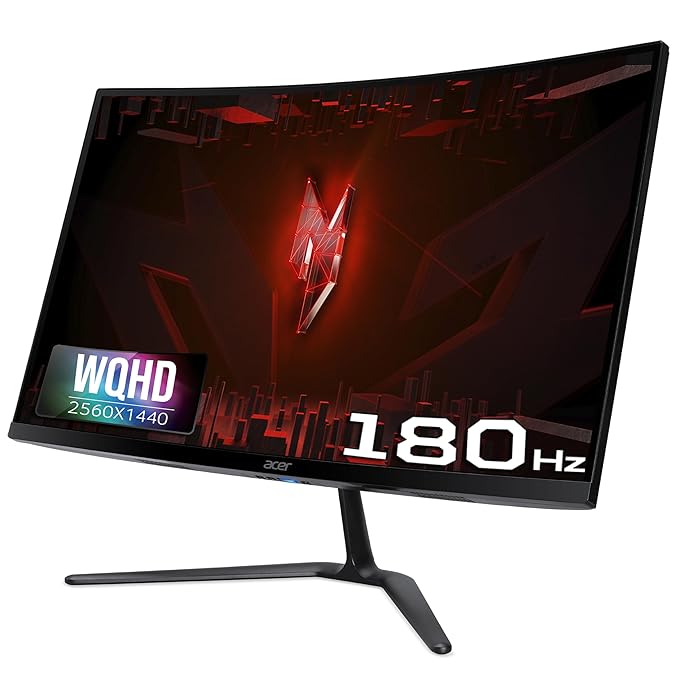
Acer ED270U 27" Curved WQHD Monitor
Immersive 1500R curved gaming monitor with 180Hz refresh rate, 1ms VRB, FreeSync, and HDR10.
Check Price on Amazon
