

What to Wear to a Job Interview for Freshers (Male & Female – Budget Guide)
Stepping into your first job interview as a fresher can be nerve-wracking, especially when you’re on a tight budget. This guide answers exactly what to wear to a job interview for freshers—covering male and female outfit options, budget alternatives, global workplace norms, and common mistakes to avoid.
For comprehensive interview dress and grooming rules covering all situations, industries, and seniority levels, see our complete interview dress and grooming guide.
Quick Answer: Interview Outfits Freshers Can Wear on a Budget
For Male Freshers
- Formal/Corporate: Light-colored shirt (white or light blue) + dark trousers (navy, charcoal, black) + formal shoes + belt. Optional blazer for banking/consulting roles.
- Business Casual (IT/Startups): Collared shirt + chinos or dress trousers + leather shoes or clean loafers.
- Budget: ₹2,500–4,000 ($30–50) for complete outfit from discount retailers or thrift stores.
For Female Freshers
- Western Formal: Blouse + formal trousers or knee-length skirt + closed-toe shoes (flats or low heels). Add blazer for conservative sectors.
- Indian Formal: Simple kurti with formal trousers or churidar, or plain salwar-kameez in muted colors (pastels, neutrals).
- Business Casual: Structured top + trousers or simple dress with cardigan.
- Budget: ₹2,000–4,000 ($25–50) for complete outfit from affordable brands or local markets.
Look Executive — Even on a Fresher’s Budget
First impressions are built in seconds. The right fit, the right color, and the right balance between formal and modern can instantly elevate your presence — without overspending.
✔ Neutral, interview-safe colors
✔ Polished grooming
✔ Clean minimal accessories


How to Choose Interview Attire (Criteria Freshers Must Know)
The “One Level Above” Framework for Freshers
As a fresher, your goal is to dress one formality level above the company’s everyday dress code. Since you don’t have inside information about daily work attire, research is critical:
- Research company culture: Check LinkedIn employee photos, Instagram office pictures, and company website team pages.
- Identify industry norms: Banking, law, government = business professional. IT, modern offices = business casual. Startups = smart casual to business casual.
- When uncertain, go formal: It’s safer to be slightly overdressed than underdressed. You can always remove a blazer; you can’t add formality on arrival.
What Interviewers Judge Through Your Appearance
Hiring managers form first impressions within 7-10 seconds. Your interview outfit communicates:
- Professionalism: Do you understand workplace norms?
- Preparation: Did you research the company and make an effort?
- Respect: Does your appearance show you value this opportunity?
- Cultural fit: Can you adapt to the organization’s environment?
- Attention to detail: Are your clothes clean, ironed, and well-maintained?
Budget Constraints: What Actually Matters
Good news for freshers on tight budgets: interviewers don’t check clothing labels. What they notice:
- Fit: Clothes that sit properly at shoulders, waist, and length
- Cleanliness: No stains, wrinkles, missing buttons, or visible wear
- Coordination: Colors and pieces that work together harmoniously
- Grooming: Clean hair, trimmed nails, polished shoes, minimal fragrance
- Confidence: Comfort in your outfit shows through your body language
Budget-Friendly Male Interview Outfits
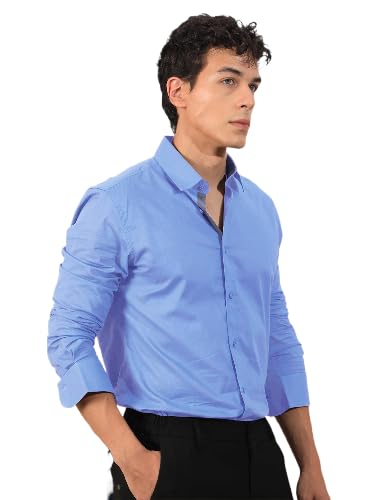
Corporate Interview Outfit Formula (Professional & Budget-Smart)
A sharp corporate look doesn’t require luxury brands. Here’s a complete formal outfit combination that looks executive, polished, and interview-ready — without overspending.


Essential Capsule Wardrobe for Male Freshers
Build a versatile interview wardrobe with 5-6 core pieces that mix and match for multiple interviews:
Formal/Corporate Sector Outfit (Banking, Consulting, Government, Large MNCs)
Budget: ₹3,500–5,000 ($45–65)- 2 Formal Shirts: One white, one light blue – full-sleeve, button-down collar (₹600–800 each from Peter England, Van Heusen, or discount outlets)
- 1 Formal Trouser: Navy or charcoal grey, flat-front or single pleat (₹1,000–1,500 from Blackberrys, Raymond, or local tailors)
- 1 Belt: Black or brown leather, simple buckle, matches shoe color (₹300–500)
- 1 Pair Formal Shoes: Black leather Oxford or Derby style (₹1,200–2,000 from Bata, Red Tape, or Liberty)
- Optional Blazer: Navy or charcoal (₹2,500–4,000 or borrow from family/friends for first few interviews)
- Optional Tie: Navy, burgundy, or subtle pattern (₹300–600)
Where to Buy:
- India: Peter England, Allen Solly, Van Heusen factory outlets; Pantaloons, Reliance Trends; Amazon/Myntra/AJIO sales; local tailors for trousers
- International: H&M, Uniqlo, Zara basics; Target, Kohl’s (US); Primark, ASDA George (UK); thrift stores like Goodwill, charity shops
Business Casual Outfit (IT Companies, Modern Offices, Startups)
Budget: ₹2,500–3,500 ($30–45)- 2 Collared Shirts: Solid or subtle micro-patterns in white, light blue, or pastels (₹500–700 each)
- 1 Pair Chinos or Dress Trousers: Navy, grey, khaki, or beige (₹800–1,200)
- 1 Pair Leather Shoes or Loafers: Brown or black, clean and polished (₹1,000–1,500)
- 1 Belt: Matches shoes (₹300–400)
- Optional Blazer: Instantly elevates look; navy or grey (borrow if possible)
When Jeans Work for Startups: Dark, plain jeans (no rips, fading, or distressing) paired with collared shirt, blazer, and leather shoes. Only for tech startups with confirmed casual culture—research first on company social media.
Choose the Right Shoes for Interviews & Office
Your shoes silently communicate professionalism. The wrong pair can weaken your presence. Here’s how to select the right style — based on formality, industry, and budget.

Red Chief Genuine Leather Formal Shoes
Best for: Corporate interviews, banking, government jobs, formal sectors. Genuine leather adds authority and durability. Ideal with navy or charcoal suits.
✔ Premium finish
✔ Strong executive appearance
✔ Long-term investment
Liberty Oxford Brogue (Balanced Professional Look)
Best for: IT jobs, corporate roles, weddings, semi-formal meetings. Brogue styling adds personality without breaking formal rules.
✔ Cushion comfort
✔ Black/Brown versatility
✔ Polished yet modern

Smart Casual & Startup-Friendly Options


Banking / Government → Black Leather Only
Corporate → Black or Dark Brown
Startup → Brown / Loafers acceptable
Creative → Clean minimalist sneakers (if culture allows)
Fit Guide for Male Freshers
| Item | Proper Fit | Common Mistakes |
|---|---|---|
| Shirt | Collar allows one finger space; cuffs extend ½ inch beyond jacket; seam sits at shoulder edge; can tuck without bunching | Too tight (gaping buttons); too loose (billowing fabric); sleeves too long/short |
| Trousers | Sits at natural waist; comfortable at thighs; slight break at ankle; no bunching at crotch | Too long (dragging on floor); too short (showing socks when standing); too tight (pulling at pockets) |
| Blazer | Buttons comfortably without pulling; shoulders align with your shoulders; sleeves end at wrist bone | Shoulder pads extending beyond your shoulders; sleeves covering hands; too tight to button |
| Shoes | Snug but not tight; can wiggle toes; heel doesn’t slip when walking | Too small (blisters); too large (slipping off heel); not broken in before interview |
Grooming Essentials for Male Freshers
Pre-Interview Grooming Checklist
- Haircut: Get trimmed 3–5 days before interview (not same day); clean and styled away from face
- Facial Hair: Clean-shaven OR well-groomed beard with defined lines (trim to even length, no patchy growth)
- Nails: Trim short and clean; no visible dirt
- Deodorant: Non-negotiable; apply before dressing
- Fragrance: Skip cologne or use 1 light spray maximum (many people are sensitive to strong scents)
- Shoes: Polished and clean the night before
- Teeth: Brush and use mouthwash; avoid strong-smelling food before interview
Budget Shopping Strategies for Male Freshers
- Prioritize shoes and trousers: These make the biggest visual impact. Spend 50% of budget here.
- Shop end-of-season sales: January and July typically have 40-70% discounts.
- Check outlet stores: Brand factory outlets offer 30-50% off regular prices.
- Explore thrift stores: Gently used formal wear at ₹500–800 ($5–10); common in metro cities and internationally.
- Borrow blazers initially: Ask family, friends, or seniors; buy after landing first job.
- Invest in alterations: Spend ₹200–400 ($3–5) to hem trousers and take in shirt sides for perfect fit.
- Use online filters: Set price range filters on Amazon, Myntra, AJIO; sort by “Price: Low to High” and check reviews.
Budget-Friendly Female Interview Outfits
Power Dressing for Women: Interview & Corporate Picks
Polished. Confident. Professional. These selections help you build a modern interview-ready wardrobe without overspending.

Nifty Women’s Formal Blazer
A structured blazer instantly upgrades any interview outfit. Pair with neutral trousers or a formal skirt for corporate, banking, consulting, or IT roles.
✔ Sharp silhouette
✔ Layer-friendly
✔ Works year-round
✔ Budget-friendly executive look


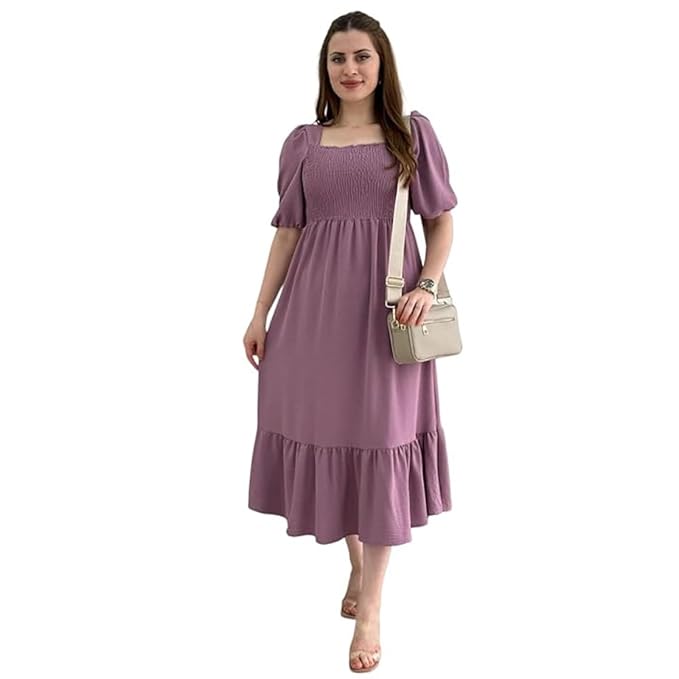
How to Choose the Right Look
Corporate / Banking → Blazer + Neutral Shirt + Black Trousers IT / Consulting → Structured Shirt + Smart Formal Bottom Startup / Creative → Clean Minimal Dress or Smart Shirt
Keep makeup minimal. Avoid loud prints. Fit matters more than brand.
Essential Capsule Wardrobe for Female Freshers
Build a mix-and-match interview wardrobe with 6-8 versatile pieces:
Western Formal Outfit (Corporate, Banking, Consulting, Law, MNCs)
Budget: ₹3,000–5,000 ($40–65)- 2 Formal Blouses/Tops: White and pastel (light blue, soft pink, cream) – modest neckline, full or 3/4 sleeves (₹600–900 each from W, AND, Biba, or online brands)
- 1 Formal Trouser: Black, navy, or charcoal; sits at natural waist (₹800–1,200 from Van Heusen, Allen Solly, or tailored)
- 1 Formal Skirt (Optional): Knee-length or slightly below, A-line or pencil style (₹700–1,000)
- 1 Pair Closed-Toe Shoes: Flats, low heels (1–2 inches), or formal sandals in black or nude (₹800–1,500 from Bata, Metro, Mochi)
- Optional Blazer: Black, navy, or grey (₹1,800–3,000 or borrow initially)
- Optional Cardigan: Neutral color for layering over dresses or tops (₹600–1,000)
Where to Buy:
- India: W, AND, Biba, Global Desi, FabIndia (sales); Max, Reliance Trends, Westside; Amazon/Myntra/Ajio; local boutiques and tailors
- International: H&M, Zara, Mango, Uniqlo; ASOS, Target (US); Primark, New Look (UK); thrift stores and consignment shops
Indian Formal Outfit (All Sectors in India – Widely Accepted)
Budget: ₹2,000–3,500 ($25–45)- 2 Simple Kurtis: Knee-length or slightly above, solid colors or subtle prints (pastels, whites, soft jewel tones) – no loud patterns or heavy embroidery (₹600–1,000 each from W, Biba, Global Desi, Soch)
- 2 Bottom Options: Formal trousers (black, navy, beige) or churidar (not casual leggings) (₹500–800 each)
- 1 Dupatta (Optional): Neatly draped or pinned; coordinates with kurti (₹200–400)
- 1 Salwar-Kameez Set: Simple, formal fabric (cotton, silk-blend), muted colors, minimal embellishment (₹1,200–2,000)
- Footwear: Closed-toe formal sandals, ballet flats, or mojaris in neutral colors (₹600–1,200)
Indian Wear Styling Rules:
- Choose pastels, neutrals, or soft jewel tones – avoid neon, very bright, or festival colors
- Minimal embroidery and embellishments – no sequins, heavy zari, or bridal-style work
- Modest necklines and appropriate length – not too short or revealing
- Avoid casual cotton leggings – pair kurti with formal trousers or churidar
- Keep jewelry minimal: small earrings, thin chain, simple ring, watch
Business Casual Outfit (IT, Startups, Modern Offices)
Budget: ₹2,000–3,500 ($25–45)Smart Casual Picks for Modern Women
Comfortable, polished, and versatile — perfect for office, interviews, presentations, or elevated everyday professional wear.

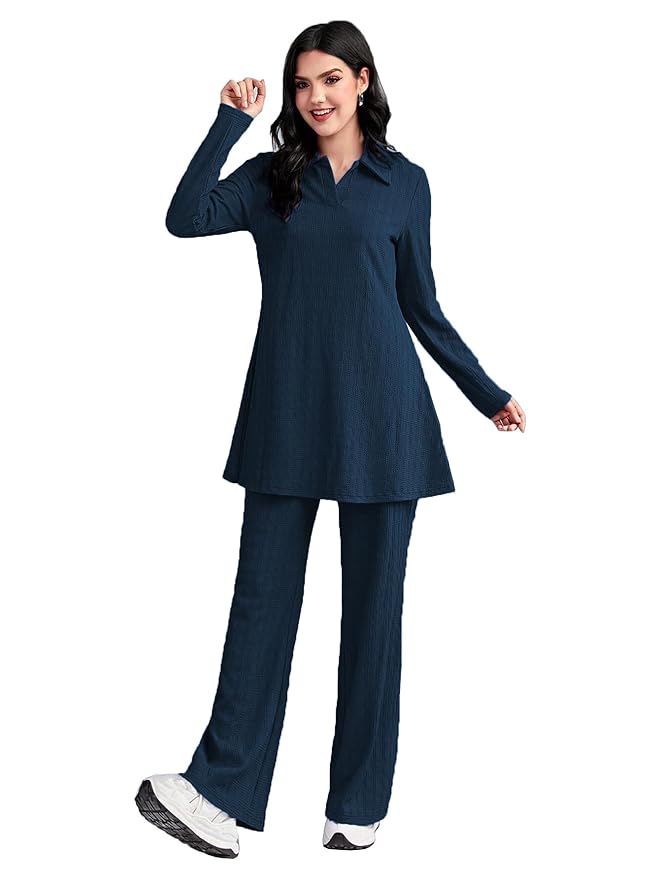
- 2 Structured Tops: Blouses, knit tops, or collared shirts (₹600–800 each)
- 1 Pair Trousers or Chinos: Navy, black, grey, or beige (₹800–1,200)
- 1 Simple Dress: Knee-length, solid or subtle print, with cardigan or blazer (₹1,000–1,500)
- Shoes: Flats, loafers, or low heels (₹800–1,200)
- Alternative: Simple kurti with well-fitted formal trousers (not leggings)
When Dark Jeans Work: For casual startups and creative companies only—pair dark, plain jeans with structured blouse/top, blazer, and leather shoes or ankle boots. Verify casual culture through company research first.
Fit Guide for Female Freshers
| Item | Proper Fit | Common Mistakes |
|---|---|---|
| Blouse/Top | Buttons comfortably without gaping; shoulders align; sleeves appropriate length; modest neckline; not see-through | Too tight (pulling at buttons); low-cut or revealing; transparent fabric; too loose and shapeless |
| Trousers | Sits at natural waist; comfortable at hips and thighs; breaks slightly at ankle; no pulling at pockets | Too long (dragging); too short (showing too much ankle); too tight (visible panty lines); low-rise showing midriff |
| Skirt | Knee-length or slightly below; sits at natural waist; does not ride up when sitting | Too short (above mid-thigh); too tight (can’t sit comfortably); not lined properly |
| Kurti | Knee-length or slightly above; comfortable at bust and waist; sleeves cover upper arm; appropriate neckline | Too short (shows too much when raising arms); very tight or bodycon style; sleeveless without covering; too casual styling |
| Shoes | Comfortable for 15–30 minute walk; heel height manageable; closed-toe for formal sectors | Very high heels causing instability; open-toe sandals for conservative sectors; new shoes not broken in; visible wear |
Grooming Essentials for Female Freshers
Interview-Ready Grooming Essentials for Women
Polished grooming creates confidence before you speak. These compact, practical essentials help you stay prepared for interviews, office, travel, and everyday professional life.


Pre-Interview Grooming Checklist
- Hair: Clean, styled away from face; can be open or tied; avoid styles requiring constant adjustment
- Makeup: Natural and polished look – light foundation/BB cream, neutral eye makeup, soft lipstick or tinted balm; avoid glitter, dramatic colors, heavy contouring
- Nails: Trimmed to short/medium length; if wearing polish, choose nude, soft pink, or light colors with no chips; avoid very long nails or heavy nail art
- Deodorant: Essential; apply before dressing
- Fragrance: Skip perfume or use 1 light spray of mild scent (strong fragrances trigger allergies and headaches)
- Jewelry: Minimal – simple earrings, thin necklace/chain, one ring, watch; avoid noisy bangles, large statement pieces
- Bag: Structured tote or handbag in neutral color; no oversized backpacks for formal roles
Budget Shopping Strategies for Female Freshers
- Prioritize versatile basics: One black trouser, one white blouse, one simple kurti work for multiple interviews.
- Mix Western and Indian: Interview 1: kurti + trousers; Interview 2: blouse + trousers; Interview 3: dress + cardigan—same trousers, different look.
- Shop festival sales: Diwali, Holi, New Year, End-of-Season sales offer 40-60% discounts.
- Check brand outlet stores: W, AND, Van Heusen outlets have 30-50% off; FabIndia sales have ethnic wear discounts.
- Explore local markets: Sarojini Nagar (Delhi), Commercial Street (Bangalore), Colaba Causeway (Mumbai) offer tailored pieces at ₹500–1,000.
- Borrow blazers and jewelry: Ask family, friends, or seniors for first few interviews.
- Invest in shoes and alterations: Spend 40% of budget on comfortable, quality shoes; use remaining for clothes and minor tailoring.
- Online shopping tips: Use filters for price range; read reviews for fit guidance; check return policies; buy during app-only sales.
Color & Pattern Guide for Interviews
Safe Interview Colors (Universally Professional)
| Color Family | Best Shades | Psychology & Use |
|---|---|---|
| Blues | Navy, light blue, soft sky blue, powder blue | Conveys trust, stability, calmness. Most universally accepted color for interviews. Navy for formal sectors; light blue for business casual. |
| Greys | Charcoal, slate grey, medium grey, soft grey | Professional, neutral, sophisticated. Works across all industries. Charcoal for formal; lighter greys for business casual. |
| Whites & Creams | Pure white, off-white, cream, ivory | Clean, fresh, professional. Best for shirts and blouses. Avoid pure white on video interviews (causes glare). |
| Blacks | True black, soft black | Formal and authoritative. Safe for trousers, skirts, and suits. For tops, pair with lighter jacket or cardigan to avoid looking too somber. |
| Earth Tones | Beige, khaki, tan, soft brown, olive | Approachable and warm. Good for business casual and creative roles. Use for trousers and blazers. |
| Pastels | Soft pink, mint green, lavender, peach, lemon yellow | Gentle and professional for blouses, kurtis, and accessories. Avoid very bright or neon versions. |
| Jewel Tones | Burgundy, emerald, sapphire, deep purple | Rich and confident. Best for business casual and creative interviews. Use in moderation—pair with neutrals. |
Colors to Avoid in Interviews
- Neon colors: Lime green, hot pink, electric blue, bright orange – too distracting and unprofessional
- Very bright shades: Fire-engine red, bright yellow, fluorescent colors – overwhelm in person and on camera
- All-black outfits: Can look too somber or funeral-like; break with lighter top or accessories
- Very faded colors: Washed-out blues, greys – look old and worn, not fresh
Pattern Guidelines
Safe patterns for interviews:
- Solid colors: Always the safest choice; easiest to coordinate
- Subtle micro-patterns: Thin pinstripes, micro-checks, tone-on-tone textures on shirts
- Small, minimal prints: Tiny florals or geometric patterns on blouses/tops if very understated
Patterns to avoid:
- Large, bold patterns: Big florals, large checks, wide stripes – too distracting
- Busy patterns: Multiple colors and shapes competing for attention
- Cartoon or novelty prints: Graphics, slogans, characters – never appropriate
- Animal prints: Leopard, zebra, snake – too bold for conservative interviews
- Mixing multiple patterns: Striped shirt + checked blazer + printed tie – visual chaos
Color Coordination Tips for Freshers
Easy Color Combinations That Always Work
For Male Freshers:
- White shirt + navy trousers + black shoes
- Light blue shirt + charcoal trousers + brown shoes
- White shirt + black trousers + black shoes
- Pastel blue shirt + grey trousers + black/brown shoes
For Female Freshers (Western):
- White blouse + black trousers + black/nude shoes
- Soft pink top + navy trousers + nude/black shoes
- Cream blouse + charcoal trousers + brown/black shoes
- Light blue top + black skirt + black shoes
For Female Freshers (Indian):
- Pastel kurti + white/cream trousers + neutral sandals
- White kurti + navy/black trousers + black sandals
- Soft blue salwar-kameez + silver/minimal jewelry
- Beige/cream kurti + brown/tan trousers + brown sandals
Global Workplace Dress Norms (India, US, UK, EU)
Understanding Regional Interview Dress Expectations
Interview dress norms vary by geography, culture, and local workplace traditions. As a fresher targeting global opportunities, understand these regional differences:
| Region | Formal Sector Norms | Business Casual Norms | Key Cultural Notes |
|---|---|---|---|
| India | Full suit or conservative Indian wear (simple saree, salwar-kameez) for corporate, banking, government, PSU roles. Tie recommended for men in officer-level positions. | Collared shirts, trousers, formal kurtis with trousers for IT and modern offices. Indian ethnic wear widely accepted even in business casual contexts if styled formally. | Conservative culture values modesty. Indian ethnic wear is professional and often preferred in traditional sectors. Avoid sleeveless, very short hemlines, and revealing necklines. |
| United States | Full suit for finance, law, consulting. More relaxed in tech hubs (Silicon Valley, Seattle, Austin) where business casual is common even for formal sectors. | Wide spectrum: from collared shirts and chinos to dark jeans with blazers for tech and creative roles. “Business casual” definition varies significantly by company. | “Research the company” is key advice. Tech culture very casual; finance and law still traditional. Overdressing slightly is safer for first interview. |
| United Kingdom | Traditional business professional: full suit, conservative colors, polished appearance. Banking and law sectors very formal in London financial district. | Smart separates: blazers with trousers/chinos. Less casual than US tech culture—jeans rare even in startups unless explicitly mentioned. | British workplace culture values understated professionalism. Quality tailoring and fit emphasized. Avoid flashy or overly trendy styles. |
| Europe (General) | Suit-based professional attire across banking, consulting, corporate sectors. Northern Europe slightly more relaxed than Southern Europe. | Smart casual emphasizes quality basics, neutral palettes, and good tailoring. Scandinavian countries more minimalist; Southern Europe more polished and fashion-forward. | European workplaces value quality over quantity. Well-fitted, simple pieces preferred over trendy fast fashion. Minimalist aesthetic common in Northern Europe. |
| East Asia (Japan, Korea, Singapore) | Very conservative: full suits mandatory for corporate interviews. Dark colors (navy, black, grey) preferred. Women wear modest suit sets or conservative dresses. | Business casual still leans formal—collared shirts, dress trousers, closed-toe shoes. Casual jeans and sneakers extremely rare in professional contexts. | Formal, hierarchical cultures. Conservative dress shows respect. Avoid bright colors, bold patterns, and casual styles even in modern tech companies. |
| Middle East | Conservative formal attire. Men wear full suits. Women wear modest business suits with long sleeves and knee-length or longer skirts/dresses. Cultural modesty norms apply. | Business casual still conservative: covered shoulders, arms, and knees. Western women should research local customs for each country (varies significantly). | Respect local cultural and religious norms. Modesty is key—avoid tight, revealing, or transparent clothing. Alcohol-free fragrance preferred. |
Climate Considerations for Interview Dress
Hot and Humid Climates (India, Southeast Asia, Middle East Summers)
- Fabric choices: Lightweight cotton, linen blends, breathable synthetics – avoid heavy wool and thick polyester
- Practical tip: Carry blazer rather than wearing it in heat; put on just before entering building
- Color strategy: Lighter colors (light blue, beige, soft grey) absorb less heat but ensure they’re not too casual
- Sweat management: Use antiperspirant (not just deodorant); carry tissues to dab sweat; allow extra travel time to cool down before interview
- For women: Sleeveless blouse under blazer works well; light cotton sarees comfortable in Indian summers
Executive Edit: Elevated Office Styling for Women
Structured silhouettes and refined prints create authority without excess. These picks are ideal for corporate interviews, boardroom meetings, and polished professional settings.

SaintX Women’s Formal Waistcoat
A sleeveless executive layer that sharpens any look instantly. Pair with a crisp shirt and tailored trousers for banking, consulting, HR, or leadership interviews.
✔ Adds structure without bulk
✔ Ideal for corporate environments
✔ Budget-friendly power dressing
Rareism Paisley Print Drop Collar Shirt
For creative industries, marketing roles, or modern corporate spaces. The subtle paisley pattern keeps things elegant without looking loud.
✔ Soft structured fit
✔ Print with professionalism
✔ Great with blazers or waistcoats

How to Style These Pieces
Corporate & Banking → Waistcoat + Neutral Shirt + Black Trousers
Consulting & HR → Waistcoat + Printed Shirt + Formal Heels
Creative Roles → Printed Shirt + Minimal Accessories + Smart Trousers
Keep accessories minimal. Let structure and fit speak louder than prints.
Cold Climates (Northern US, UK, Europe Winters, Canada)
- Layering strategy: Base shirt/blouse + vest/thin sweater + blazer + professional overcoat
- Remove outer layers: Take off coat before entering interview room; hang neatly or carry
- Footwear solution: Boots for commute are fine; bring formal shoes to change into, or wear weather-protected dress shoes
- Arrive early: Give yourself time to warm up, remove layers, and compose appearance before interview
- Check appearance: Static, hat hair, and snow/rain damage can affect grooming—use restroom to freshen up
Monsoon/Rainy Seasons (India, Southeast Asia)
- Commute footwear: Wear waterproof shoes/sandals for travel; carry formal shoes in plastic bag; change before interview
- Fabric protection: Keep interview outfit in plastic covering during commute; change at nearby cafe or office restroom if needed
- Avoid delicate materials: Skip light silks, white fabrics, and materials that show water stains
- Hair and makeup: Keep styling simple; rain ruins elaborate hairstyles; waterproof makeup for those who use it
- Carry emergency kit: Small towel, comb, tissues, extra dupatta/scarf
Clothing Fit, Comfort & Confidence Tips
Why Fit Matters More Than Brand for Freshers
The biggest mistake freshers make is buying cheap, ill-fitting clothes or expensive, ill-fitting clothes. Proper fit is the single most important factor in looking professional.
Fit Principles for All Freshers
- Shoulders are key: Shoulder seams should sit at edge of your shoulders (not falling down arms or riding up neck). This is hardest to alter—buy right or skip the piece.
- Length matters: Sleeves end at wrist bone; trouser hem has slight break at shoes; skirts hit knee or slightly below; kurti covers hips appropriately.
- Comfort test: Sit, stand, walk, raise arms in clothes before buying. If buttons pull, fabric bunches, or you feel restricted, size up or choose different cut.
- Not too tight: No gaping buttons, pulling seams, visible panty lines, or restrictive movement. Professional clothes should skim your body, not cling.
- Not too loose: No billowing fabric, hanging shoulders, bunching at waist, or “borrowed from older sibling” look. Loose doesn’t mean comfortable—it means sloppy.
Alterations: Best Money a Fresher Can Spend
Investing ₹200–500 ($3–7) in alterations transforms affordable clothes into professional attire:
| Alteration | Cost (India) | Cost (International) | Impact |
|---|---|---|---|
| Trouser hemming | ₹100–200 | $5–10 | High – prevents dragging hems and unprofessional bunching |
| Taking in shirt/blouse sides | ₹150–250 | $8–15 | High – eliminates billowing fabric, creates tailored look |
| Sleeve shortening | ₹100–200 | $6–12 | Medium – proper sleeve length looks polished |
| Waist adjustment (trousers) | ₹200–300 | $10–18 | High – ensures pants sit at natural waist without belt bunching |
| Kurti length/fit adjustment | ₹150–300 | $8–15 | Medium – appropriate length and fit for professional context |
Where to get alterations:
- Local tailors: Most affordable and often do excellent work; ask for recommendations from family
- Store alteration services: Many retailers (Pantaloons, Westside, department stores) offer in-house alterations
- Dry cleaners: Many offer basic hemming and taking-in services
Comfort = Confidence in Interviews
Uncomfortable clothes show through your body language and distract from your interview performance:
- New, unbroken shoes: Cause blisters and pain; wear 2-3 times at home before interview day
- Tight waistbands: Make sitting uncomfortable and hurt after eating; size up or get waist adjusted
- Restrictive fabrics: If you can’t raise arms or sit comfortably, outfit is too tight
- Itchy materials: Scratchy fabrics cause fidgeting and distraction; wear cotton undershirt if needed
- Very high heels: If you can’t walk confidently, go lower; 1-2 inch heels are professional and comfortable
Building Confidence Through Preparation
Night-Before Interview Preparation Checklist
- Lay out complete outfit including undergarments, socks/stockings, shoes, belt, jewelry, bag
- Check for stains, missing buttons, loose threads, wrinkles – iron or steam if needed
- Polish shoes until they shine; check for scuffs or worn heels
- Try on full outfit one last time; practice sitting and standing to ensure comfort
- Prepare bag with: extra resume copies, notepad, pen, interview documents, tissues, mints, small mirror, comb
- Check weather forecast – bring umbrella or plan for rain/heat
- Set alarm 30 minutes earlier than usual to allow grooming time without rushing
- Plan commute route and leave buffer time for delays
Morning-of routine: Shower, groom, dress carefully, eat light breakfast (avoid heavy or strong-smelling foods), arrive 10-15 minutes early, use restroom to check final appearance, breathe and compose yourself before entering interview room.
Budget Alternatives & Thrift Options (Where Acceptable)
Building a Professional Wardrobe on ₹2,000–3,000 ($25–40)
Yes, it’s possible. Here’s how freshers with very tight budgets can dress professionally for multiple interviews:
The Ultra-Budget Strategy: Mix, Match, Repeat
Male Fresher: 5-Piece Capsule (₹2,500 Total)
- 1 white formal shirt – ₹600 (wear with trousers for formal interviews, with jeans for casual)
- 1 light blue formal shirt – ₹600 (alternate with white for multiple interviews)
- 1 dark formal trouser – ₹1,000 (navy or charcoal; wear with both shirts)
- 1 belt – ₹300 (black; matches both shoes and trousers)
- BORROW: Formal shoes (from family/friends until first paycheck)
Result: 2 complete formal outfits that look different. Add borrowed blazer for banking/consulting.
Female Fresher: 6-Piece Capsule (₹2,800 Total)
- 1 white/cream blouse – ₹600 (pairs with trousers and skirt)
- 1 pastel top – ₹600 (alternate look with same bottoms)
- 1 black formal trouser – ₹800 (most versatile color)
- 1 simple kurti – ₹600 (wear with same trousers for Indian formal look)
- 1 pair closed-toe shoes – ₹800 (black flats work with all outfits)
- BORROW: Blazer, jewelry, handbag until first paycheck
Result: 3 distinct looks (Western formal, business casual, Indian formal) from 6 pieces.
Best Places to Shop on Extreme Budget
India-Specific Budget Shopping
- Local markets and street shopping:
- Sarojini Nagar (Delhi): Shirts/tops ₹200–500; trousers ₹300–600; kurtis ₹300–700
- Commercial Street (Bangalore): Formal wear ₹400–800; tailored pieces available
- Fashion Street (Mumbai): Shirts ₹250–600; trousers ₹400–800; shoes ₹400–1,000
- Chickpet (Bangalore), Pondy Bazaar (Chennai), College Road (Nashik): Similar pricing
- Discount retail chains: Reliance Trends, Max, Brand Factory (40-60% off branded items during sales)
- Online flash sales: Myntra End of Reason Sale, Amazon Great Indian Festival, Flipkart Big Billion Days (up to 70% off)
- Factory outlets: Brand Factory, FBB (Fashion at Big Bazaar) have brand overstock at 50-70% discount
- Second-hand/thrift: Still emerging in India; check Kiabza, Bombay Closet Cleanse, Instagram thrift stores in metros
International Budget Shopping
- Thrift and charity shops (US, UK, Europe):
- Goodwill, Salvation Army, St. Vincent de Paul (US): Blazers $5–15; dress shirts $3–8; trousers $5–12
- Oxfam, British Heart Foundation, Cancer Research UK shops: Suits £10–25; shirts £3–8; shoes £5–15
- Consignment stores: Higher quality, gently used professional wear at 60-80% off retail
- Fast fashion basics: H&M Basics, Uniqlo Essentials, Primark, Forever 21 (shirts $10–20; trousers $15–30)
- Outlet malls: 30-50% off brands like Express, Banana Republic, J.Crew, Zara
- Online thrift: ThredUp, Poshmark, Vinted, Depop (filter for professional styles)
When Thrift Shopping Is and Isn’t Acceptable
- Blazers and suit jackets (check for stains, missing buttons, and get dry-cleaned)
- Dress trousers and skirts (ensure no visible wear, hem if needed)
- Formal shirts and blouses (check collar and cuffs for wear)
- Shoes if in excellent condition (must look nearly new, no worn heels or scuffs)
- Handbags and belts (check hardware and straps)
- Undergarments and socks: Hygiene and fit matter
- Shoes with visible wear: Scuffed, worn heels, damaged soles look unprofessional no matter how cheap
- Stained or damaged items: Not worth saving ₹200 if it looks unprofessional
- Very worn fabrics: Shiny seats, faded colors, pilling fabric can’t be fixed
Cost-Per-Wear Thinking for Freshers
Smart freshers calculate cost-per-wear to justify slightly higher initial investment:
Example: Formal Shoes
- Option A: ₹800 shoes that fall apart after 6 wears = ₹133 per wear
- Option B: ₹1,800 shoes that last 50+ wears = ₹36 per wear
- Winner: Option B is actually cheaper long-term, even with higher upfront cost
Priority investment order for freshers:
- Shoes (highest visual impact; worth spending 40% of budget)
- Trousers (versatile base piece; invest in good fit and fabric)
- Shirts/Tops (can be more affordable if fit is good)
- Blazer (borrow initially; buy after first job)
- Accessories (belt, bag, watch – buy basics, upgrade later)
Common Freshers’ Interview Dress Mistakes
Top 10 Outfit Errors That Cost Freshers Job Offers
1. Wearing Campus Casuals to Corporate Interviews
Mistake: T-shirt, jeans, and sneakers to banking, consulting, or government interviews.
Why it fails: Shows lack of research and disrespect for professional norms.
Fix: Research company and industry standards; when uncertain, choose business professional.
2. Borrowing Oversized or Ill-Fitting Clothes
Mistake: Wearing father’s oversized suit or friend’s too-tight blouse to save money.
Why it fails: Ill-fitting clothes look sloppy and show poor preparation. Interviewers notice shoulders hanging off arms or buttons pulling.
Fix: Borrow clothes that actually fit, or buy affordable pieces and get them altered for ₹200–300.
3. Ignoring Grooming Because “It’s Just an Interview”
Mistake: Showing up with unwashed hair, unpolished shoes, chipped nail polish, or strong body odor.
Why it fails: Details reveal attention and professionalism. Grooming matters as much as clothes.
Fix: Follow pre-interview grooming checklist (hair, nails, deodorant, polished shoes, fresh breath).
4. Wearing Brand-New, Unbroken Shoes
Mistake: Buying formal shoes the day before interview and wearing them for the first time on interview day.
Why it fails: Causes painful blisters, makes walking uncomfortable, affects confidence and body language.
Fix: Break in new shoes by wearing at home for 2-3 days before interview; bring bandages just in case.
5. Choosing the Wrong Formality Level
Mistake: Wearing full three-piece suit to casual startup or jeans to conservative government interview.
Why it fails: Shows poor cultural fit research; makes you stand out for wrong reasons.
Fix: Spend 15 minutes researching company culture on LinkedIn, Instagram, and website before choosing outfit. Apply “one level above” rule.
6. Overdoing Accessories or Jewelry
Mistake: Multiple rings, noisy bangles, large statement necklaces, flashy watches, or heavy traditional jewelry.
Why it fails: Distracts interviewer from conversation; jewelry noise disrupts professional atmosphere.
Fix: Keep minimal: small earrings, thin chain, one ring, simple watch. Save statement pieces for after you get the job.
7. Using Strong Perfume or Cologne
Mistake: Applying heavy fragrance thinking it shows sophistication or masks body odor.
Why it fails: Strong scents trigger allergies, migraines, and nausea in many people. Can ruin entire interview experience for interviewer.
Fix: Use deodorant (mandatory); skip perfume entirely or use 1 very light spray of mild scent. Less is always more.
8. Wearing Wrinkled, Stained, or Damaged Clothes
Mistake: Not ironing shirt, ignoring small stains, wearing trousers with visible wear or missing buttons.
Why it fails: Signals carelessness and lack of preparation. If you can’t maintain interview outfit, how will you maintain work quality?
Fix: Iron clothes night before; check for stains, missing buttons, loose threads, and fix immediately. Prepare outfit completely 24 hours in advance.
9. Dressing Too Casually for Indian Ethnic Wear
Mistake: Wearing casual printed kurti with cotton leggings, everyday chappals, or festive, heavily embroidered outfits.
Why it fails: Looks too casual or too festive, not professional. Leggings read as loungewear, not formal attire.
Fix: Choose simple, solid or subtle print kurtis in muted colors; pair with formal trousers or churidar (not leggings); wear closed-toe formal sandals; keep jewelry minimal.
10. Forgetting the “Sit Test” Before Buying
Mistake: Not sitting down in changing room to test if skirt rides up, shirt gapes, or trousers become uncomfortable.
Why it fails: Most interview time is spent sitting. Uncomfortable, revealing, or restrictive clothes show through your body language and confidence.
Fix: Always sit, stand, and walk in clothes before buying. Ensure you can sit comfortably for 30-45 minutes without adjusting, pulling, or feeling restricted.
Color and Pattern Mistakes
- Wearing neon or very bright colors: Lime green, hot pink, electric blue overwhelm and distract
- All-black everything: Looks too somber or funeral-like; break with lighter top or accessories
- Loud, busy patterns: Large florals, cartoon prints, animal prints, tie-dye – too casual and distracting
- Mixing too many patterns: Striped shirt + checked blazer + printed scarf = visual chaos
- Very faded or washed-out colors: Look old and worn, not fresh and professional
Footwear and Accessory Mistakes
- Flip-flops, sports sandals, or crocs: Never appropriate for any interview
- Very high stiletto heels: Cause instability and discomfort; stick to 1-2 inch heels for comfort
- Gym backpacks or casual bags: Use structured tote, handbag, or portfolio for professional roles
- Unpolished or scuffed shoes: Show lack of attention to detail
- White sports socks with formal wear: Always wear dark dress socks that match trousers or shoes
- Oversized or flashy watches: Keep watch simple and conservative
Virtual Interview Dress Guide (Camera-Friendly Colors)
Why Dress Fully Professional for Video Interviews
The biggest virtual interview mistake freshers make: dressing only the top half. Here’s why you must dress completely:
- You may need to stand unexpectedly: Doorbell rings, camera adjustment needed, showing something to interviewer
- Psychology matters: Wearing professional clothes head-to-toe puts you in professional mindset and boosts confidence
- Body language shows: Sitting in pyjama bottoms affects how you carry yourself, even if not visible
- Technical glitches happen: Camera could shift, you might be asked to move, or background reflection could reveal casual bottoms
Camera-Friendly Colors and Patterns
Video technology processes colors differently than human eye. Some colors that work in person fail on camera:
| Color | On Camera | Recommendation |
|---|---|---|
| Navy, Charcoal, Medium Grey | Excellent – provides contrast, looks professional, no distortion | ✓ Best choice for video interviews |
| Soft Blue, Powder Blue | Excellent – camera-friendly, looks fresh and professional | ✓ Highly recommended |
| Jewel Tones (Burgundy, Emerald, Sapphire) | Good – rich colors that contrast well with most backgrounds | ✓ Safe choice |
| Pastels (Soft Pink, Lavender, Mint) | Good – work well with neutral backgrounds | ✓ Acceptable |
| Very Bright White | Poor – causes glare, overexposure, washes out face | ✗ Avoid |
| Pure Black | Poor – looks flat, merges with dark backgrounds, lacks dimension | ✗ Use with caution (pair with lighter top) |
| Neon Colors (Lime, Hot Pink, Electric Blue) | Terrible – “bleeds” on camera, creates halo effect, very distracting | ✗ Never wear |
| Thin Stripes, Tight Checks, Houndstooth | Poor – creates moiré effect (wavy visual distortion) | ✗ Avoid patterns |
| Shiny, Metallic, or Satin Fabrics | Poor – causes glare, reflections, and distracting light spots | ✗ Choose matte fabrics |
Background-Color Coordination
Your outfit should contrast with your background for visual clarity:
- Light background (white wall, light curtains): Wear medium to dark colors – navy, burgundy, forest green, charcoal, soft jewel tones
- Dark background (wood paneling, dark wall, bookshelf): Wear lighter tones – soft blue, grey, cream, pastels, light jewel tones
- Neutral background (beige, grey, tan): Most colors work; choose medium tones for best contrast
- Virtual backgrounds: If using, test outfit against it beforehand; solid colors work better than patterns
Upper Body Presentation for Video
Video interviews emphasize your face and upper body more than in-person meetings:
- Neckline matters: Choose collared or structured necklines – they frame face well on camera and look polished
- Keep area around face clean: Avoid large necklaces, noisy bangles, or busy patterns near face that distract from your expressions
- Sit up straight: Slouching is more obvious on camera; sit with shoulders back and camera at eye level
- Test outfit on camera: Do practice run 30 minutes before interview – check for glare, distortion, color accuracy, framing
Grooming and Lighting for Video Interviews
Video Interview Grooming Checklist
- Hair: Neat and away from face; overhead lighting can create shadows, so style accordingly
- Makeup (for those who wear it): Slightly more definition than usual – camera washes out color; avoid shimmer and glitter that cause glare
- Glasses: Clean lenses; tilt frames slightly down to minimize screen reflection; anti-glare coating ideal
- Jewelry: Avoid anything that reflects light or makes noise when you move
- Background behind you: Clean, neutral, professional – no messy rooms, laundry, or personal items visible
- Lighting setup: Face should be well-lit with no harsh shadows; natural light from window in front or ring light works best
- Camera angle: Eye level, not looking down or up at screen; elevate laptop if needed
- Test beforehand: Join meeting 10 minutes early to check audio, video, lighting, background, outfit appearance
Technical Setup for Professional Virtual Presence
- Internet connection: Use wired connection if possible; close bandwidth-heavy apps; test speed beforehand
- Audio quality: Use headphones with microphone for clearer sound; avoid echoing speaker mode
- Minimize distractions: Silent phone, closed door, inform family members, “Do Not Disturb” sign
- Have backup plan: Phone hotspot ready if internet fails; recruiter’s phone number saved
- Professional Zoom name: Use full name, not nicknames or email addresses
- Maintain eye contact: Look at camera, not at your own image on screen
Final Checklist Before You Step In
24 Hours Before Interview
- Complete outfit laid out including undergarments, socks, shoes, belt, jewelry, bag
- Clothes checked for stains, missing buttons, loose threads, wrinkles – ironed and steamed
- Shoes polished and shining; checked for scuffs or worn heels
- Full outfit tried on one final time; practiced sitting and standing to ensure comfort
- Bag packed with: 3-5 resume copies, notepad, 2 pens, interview documents, tissues, mints, small mirror, comb, phone charger
- Grooming supplies ready: razor/trimmer, nail clipper, deodorant, light fragrance (optional), hair products
- Weather forecast checked; umbrella or jacket prepared if needed
- Commute route planned; buffer time added for traffic or delays
- Interview location, time, interviewer name, and company details reviewed
- Questions to ask interviewer prepared and noted
- Company research completed: recent news, products, culture, competitors
- Alarm set 30 minutes earlier than usual to allow unhurried preparation
Morning of Interview
- Shower and wash hair
- Complete grooming routine: hair styled, beard trimmed/shaved, nails trimmed, deodorant applied
- Dress carefully without rushing; check mirror from front, sides, and back
- Eat light, healthy breakfast; avoid heavy, greasy, or strong-smelling foods (garlic, onions)
- Brush teeth thoroughly; use mouthwash; carry mints for before entering building
- Final appearance check: clothes sitting properly, hair in place, shoes clean, no lint or threads
- Leave home with extra 15-20 minute buffer time beyond normal commute
Arriving at Interview Location
- Arrive 10-15 minutes early (not more than 15 – don’t inconvenience interviewer)
- Use restroom to check final appearance: hair, clothes, makeup, remove lint
- Wash hands; ensure no sweat or dampness when shaking hands
- Have mint or chew gum (dispose before entering building); ensure fresh breath
- Silence phone completely (not just vibrate); put away in bag
- Take 5 deep breaths to calm nerves and compose yourself
- Review key points you want to communicate in interview
- Put on confident smile; stand/sit with good posture while waiting
- Greet receptionist professionally; this is part of interview impression
Quick Fixes for Last-Minute Issues
| Problem | Emergency Fix |
|---|---|
| Stain on shirt/blouse | Dab with water and tissue; let dry; if visible, try to cover with blazer or scarf; acknowledge and apologize briefly if interviewer notices |
| Button falls off | Safety pin from inside if possible; keep blazer buttoned to cover; buy emergency sewing kit for future |
| Shoes get dirty during commute | Wipe with tissue or napkin in restroom; carry spare pair of office shoes if monsoon season |
| Sweat stains visible | Use restroom to dab and dry; apply more deodorant if available; keep blazer on to cover underarms |
| Hair gets messed up in rain/wind | Use restroom to re-style; carry small comb or brush; use water to reset if needed |
| Forgot resume copies | Ask receptionist if you can print 2-3 copies; or have PDF on phone to show if needed |
| Nail polish chips | Remove all polish in restroom with remover wipe if you have it; bare nails better than chipped |
| Strong food smell (garlic, onions) | Rinse mouth thoroughly; use mouthwash if available; chew mint; apologize briefly if necessary |
Related Interview Preparation Resources
Master All Aspects of Interview Success
Interview dress is just one piece of your professional image. Build complete interview readiness with these comprehensive guides:
- Complete Interview Dress and Grooming Guide – Detailed rules covering all industries, seniority levels, grooming, business professional vs casual, seasonal tips, virtual interviews, and industry-specific guidance (4,000+ words)
- Understanding Business Casual Dress Code – Decode “business casual” across different companies and regions; essential for your first day at work
- How to Tie a Tie (Step-by-Step) – Master Windsor, Half-Windsor, and Four-in-Hand knots with visual guides for formal interviews
- First Day at Work: Complete Preparation Guide – What to wear, bring, and expect on Day 1; make great impression beyond the interview
- Workplace Etiquette Essentials – Professional behavior, communication, and office norms that complement your polished appearance
Frequently Asked Questions
Can freshers wear jeans to job interviews?
Generally not recommended, but depends on company culture. Jeans are inappropriate for corporate, banking, government, law, consulting, healthcare, and education sector interviews. They may be acceptable for casual startup and creative company interviews when:
- Company culture is clearly casual (verified through research on social media and website)
- Jeans are dark, plain, well-fitted, and free of rips, distressing, or heavy fading
- Paired with collared shirt or structured blouse, blazer, and leather shoes (not sneakers)
- Role is technical or creative, not client-facing or management
When in doubt, choose formal trousers or chinos instead. Better to be slightly overdressed than risk being too casual.
What should male freshers wear to IT company interviews?
Business casual is standard for IT companies: Full-sleeve collared shirt (solid or subtle pattern) in white, light blue, or pastels + dress trousers or chinos in navy, grey, khaki, or beige + leather shoes or loafers + belt matching shoes. Blazer is optional but recommended as it instantly elevates the look. Tie is usually not required for IT roles.
For client-facing IT roles (consulting, pre-sales): dress more formally with blazer and possibly tie. For backend/engineering roles: business casual acceptable. For very casual startups: dark jeans with collared shirt and blazer may work if company culture is confirmed casual.
What should female freshers wear to first job interview?
Western formal option: Formal blouse (white, cream, or pastel) + formal trousers or knee-length skirt + closed-toe shoes (flats or 1-2 inch heels) + optional blazer or cardigan. Indian formal option: Simple kurti with formal trousers or churidar, or formal salwar-kameez in muted colors (pastels, neutrals) with minimal embroidery + closed-toe formal sandals or shoes + minimal jewelry.
Choose based on: (1) industry – corporate/banking/government = more formal; IT/startups = business casual okay, (2) personal comfort – wear what makes you feel confident, (3) company culture research – check their social media for office attire norms.
How much should freshers spend on interview clothes on a budget?
Minimum ₹2,500–4,000 ($30–50) for complete outfit. Budget allocation for male freshers: ₹1,200–1,500 shoes (40%), ₹1,000–1,500 trousers (35%), ₹1,200–1,600 for 2 shirts (25%). Budget allocation for female freshers: ₹800–1,200 shoes (30%), ₹800–1,200 trousers (30%), ₹1,200–1,800 for 2 tops (40%).
Smart budget strategies: (1) Prioritize fit and shoes over brand, (2) Shop end-of-season sales (40-70% off), (3) Check outlet stores and online sales, (4) Explore thrift stores for blazers and formal wear, (5) Borrow blazers from family/friends initially, (6) Invest ₹200–400 in alterations for perfect fit, (7) Build 5-6 piece capsule wardrobe that mixes and matches for multiple interviews.
Is Indian ethnic wear acceptable for job interviews?
Yes, absolutely acceptable and often preferred in Indian workplaces when styled professionally. For women: simple saree in muted colors (pastels, neutrals, soft jewel tones) with minimal embroidery, or formal salwar-kameez/kurti with trousers or churidar (not casual leggings). Avoid: very bright colors, heavy embellishments, festival-style outfits, very short kurtis, revealing necklines.
Indian ethnic wear is professional across all sectors in India including corporate, IT, government, PSU, education. It’s especially appropriate for government, PSU, and traditional sectors. Pair with closed-toe formal footwear, minimal jewelry (small earrings, thin chain, simple ring, watch), and neat dupatta draping if applicable.
What colors are best for job interviews for freshers?
Safest colors: Navy, charcoal grey, black, white, light blue, beige, and pastels (soft pink, mint green, lavender, peach). These are universally professional and appropriate across all industries and regions.
Avoid: Neon colors (lime green, hot pink, electric blue), very bright shades (fire-engine red, bright yellow), all-black outfits (can look too somber – break with lighter top), and very faded or washed-out colors (look old and worn). For video interviews, choose medium tones that contrast with your background – avoid pure white (causes glare) and pure black (looks flat on camera).
Should freshers wear a suit to job interviews?
Depends on industry and role level. Full suit mandatory for: banking, finance, consulting, law, accounting, senior management roles, and government positions. Full suit recommended but optional for: corporate offices, large MNCs, and when you want to make strongest formal impression.
Suit not required for: IT companies (business casual works), startups and creative companies (may be overdressed), retail and hospitality (business casual appropriate), technical roles where suit feels too formal. As a fresher on budget: if suit is required but unaffordable, formal shirt + dark trousers + belt + shoes + tie is acceptable; borrow blazer if possible; buy suit after landing first job.
What should freshers avoid wearing to job interviews?
Never wear: T-shirts (especially with slogans or logos), jeans (unless startup with confirmed casual culture), shorts or capris, ripped or distressed clothing, athletic wear, flip-flops or sports sandals, sleeveless without jacket in conservative sectors, see-through or very revealing clothes, wrinkled or stained items, clothes with visible brand logos.
Grooming mistakes to avoid: Strong perfume or cologne, unkempt beard or hair, chipped nail polish, very long or decorative nails, heavy makeup or glitter, excessive jewelry, visible tattoos in conservative sectors (cover if possible), chewing gum during interview, sunglasses indoors, casual backpacks with cartoon characters for formal roles.
How should freshers dress for virtual or video interviews?
Dress exactly as you would for in-person interview, from head to toe. Don’t dress only top half – you may need to stand unexpectedly, and wearing complete professional outfit affects your mindset and body language positively.
Camera-friendly colors: Navy, charcoal, soft blue, jewel tones (burgundy, emerald, sapphire) work best. Avoid: Very bright white (causes glare), pure black (looks flat), neon colors (bleed on camera), thin stripes or checks (create moiré effect), shiny fabrics (cause glare).
Setup tips: Camera at eye level, face well-lit from front (natural light or ring light), clean neutral background, test outfit on camera 30 minutes before, minimize jewelry near face, ensure good internet connection, join 10 minutes early to test technology.
Where can freshers buy affordable interview clothes in India?
Budget shopping options:
- Local markets: Sarojini Nagar (Delhi), Commercial Street (Bangalore), Fashion Street (Mumbai), Pondy Bazaar (Chennai) – shirts/tops ₹200–700, trousers ₹300–800, kurtis ₹300–1,000
- Discount chains: Reliance Trends, Max, Brand Factory, FBB (Fashion at Big Bazaar) – 40-60% off during sales
- Online sales: Myntra End of Reason Sale, Amazon Great Indian Festival, Flipkart Big Billion Days, AJIO sales – up to 70% off
- Brand outlets: Peter England, Van Heusen, Allen Solly, W, AND factory outlets – 30-50% off regular prices
- Budget brands: Peter England, John Players, Scullers, Excalibur (men); W, AND, Global Desi, Soch, Biba (women)
- Thrift stores: Emerging in metros – check Kiabza, Bombay Closet Cleanse, Instagram thrift stores for gently used formal wear

