

Interview Dress for Women: 15 Powerful Formal, Semi-Formal & Business Casual Outfit Ideas
The best interview dress for women is a tailored pantsuit, structured dress with blazer, or formal ethnic wear in neutral colors (navy, charcoal, grey, white) matched to industry formality—formal for banking and law, semi-formal for tech, and business casual for creative startups.
Quick Answer: What Should Women Wear to a Job Interview?
✓ FORMAL (Corporate, Banking, Law)
- Navy or charcoal pantsuit
- Skirt suit (knee-length)
- Formal dress + blazer
- Conservative saree/ethnic wear
- Closed-toe heels or flats
Risk: Very Low
✓ SEMI-FORMAL (Tech, Modern Office)
- Blouse + tailored trousers
- Structured dress + cardigan
- Blazer optional but recommended
- Formal kurti + cigarette pants
- Low heels or professional flats
Risk: Low
⚠ BUSINESS CASUAL (Startups, Creative)
- Smart dark jeans + blazer
- Chinos + structured top
- Simple dress with cardigan
- Minimal accessories
- Clean flats or loafers
Risk: Medium (verify culture first)
When in doubt: Navy pantsuit or blazer with white blouse and tailored trousers works for 95% of interviews globally.

12 powerful interview-ready color combinations for men and women — designed to project confidence, trust, and professionalism.
Understanding the Three Interview Dress Levels for Women
Interview dress codes for women fall into three clear categories based on industry formality, company culture, and role seniority. Understanding these levels helps you match your outfit to interviewer expectations and avoid common mistakes.
The key question: Is a dress acceptable for interviews? Yes—structured, knee-length dresses paired with blazers are professional and widely accepted. Are pants better than skirts? Both work, but pantsuits are universally safe across all regions and industries, while skirts require careful length and styling.


Formal Interview Outfits for Women (Corporate, Banking, Law & Government)
1. Pantsuit – The Safest Global Choice
Why it works: Pantsuits are universally professional across all regions (US, UK, Europe, Asia, Middle East) and eliminate concerns about skirt length, modesty, or cultural appropriateness. They convey authority, confidence, and seriousness.
Complete outfit formula:
- Navy, charcoal, or grey tailored pantsuit (wool or wool-blend)
- White, light blue, or cream blouse (tucked in)
- Closed-toe pumps or flats in black, brown, or navy
- Minimal jewelry (simple earrings, watch, one ring)
- Structured handbag or portfolio in neutral color
Best for: All formal interviews—banking, law, consulting, corporate, government, first-round interviews in any industry.
Risk Level: Very Low – Works globally in all formal sectors
2. Skirt Suit – Conservative Professional
Why it works: Skirt suits are traditional formal business attire, widely accepted in corporate environments. They project femininity while maintaining professionalism. However, skirt length and fit must be carefully managed.
Complete outfit formula:
- Matched skirt suit (blazer + skirt) in navy, charcoal, or grey
- Skirt length: Knee-length or just below (never above mid-thigh)
- Conservative blouse (modest neckline, sleeves to elbow minimum)
- Closed-toe heels or pumps (1-3 inch height)
- Neutral or skin-tone hosiery/tights in conservative sectors
Regional considerations: Very common in US and European corporate settings. Less common in tech and startups where pantsuits or separates are preferred.
Risk Level: Low – Professional but requires careful length and modesty

3. Formal Dress with Blazer – Yes, Dresses Are Acceptable
Direct answer: Is a dress OK for a job interview? Yes—structured, knee-length dresses paired with blazers are professional and widely accepted in corporate interviews. The key is fit, length, and styling.
Complete outfit formula:
- Sheath or A-line dress in navy, charcoal, grey, or soft neutrals
- Length: Knee-length or slightly below (sits at or below kneecap when standing)
- Blazer in matching or coordinating color (navy blazer with grey dress)
- Modest neckline (no plunging V-necks or low-cut styles)
- Sleeveless acceptable only if blazer worn throughout interview
- Closed-toe heels or flats
Fit guidelines: Fitted but not tight or bodycon. Dress should not ride up when sitting or require constant adjustment. Test by sitting in interview position before choosing.
Risk Level: Low – Professional when styled correctly with blazer
4. Formal Ethnic Wear (India, Middle East & Conservative Cultures)
Why it works: Traditional ethnic wear is professional and culturally appropriate for interviews in India, Middle East, South Asia, and conservative regions when styled formally. It demonstrates cultural awareness while maintaining professionalism.
Saree (India)
- Simple cotton, silk-blend, or light georgette
- Pastel, neutral, or soft jewel tones (avoid bright/neon)
- Minimal embellishments (no heavy embroidery or sequins)
- Modest blouse with sleeves to upper arm minimum
- Neat draping (practice beforehand if inexperienced)
- Closed-toe formal sandals or shoes
Salwar-Kameez / Kurti Set (India)
- Simple, tailored salwar-kameez or kurti with churidar/trousers
- Knee-length or slightly longer kurti (avoid very short styles)
- Formal trousers or churidar (avoid casual leggings)
- Neutral or pastel colors (white, cream, soft blue, pink)
- Minimal or no dupatta (or neatly draped and pinned)
- Closed-toe footwear
Abaya / Modest Dress (Middle East)
- Simple abaya, jilbab, or long tunic + trousers
- Black, navy, charcoal, or muted colors
- Full coverage (shoulders, arms, knees covered)
- Hijab neatly styled in neutral color
- Minimal embellishments (plain or subtle detailing)
- Closed-toe formal footwear
Cultural note: Ethnic wear is widely accepted and often preferred in government, PSU, education, and traditional sectors in India and South Asia. In Western markets, pantsuits are more common, but ethnic wear is acceptable if styled conservatively.
5. Do You Always Need a Blazer for Formal Interviews?
✓ YES – Blazer Required
- Banking and finance
- Law and consulting
- Corporate headquarters
- Government and PSU
- Executive/senior roles
⚠ DEPENDS – Usually Recommended
- Tech companies (safer to include)
- Healthcare and education
- Mid-level corporate roles
- First interviews (err on formal side)
✗ OPTIONAL – May Skip
- Very casual startups (verified)
- Creative agencies (if culture confirmed)
- Internal promotions (casual norm)
- Remote tech roles (sometimes)
When uncertain about blazer requirement: Always include it. You can remove it if the environment is clearly casual, but you cannot add formality after arriving underdressed.
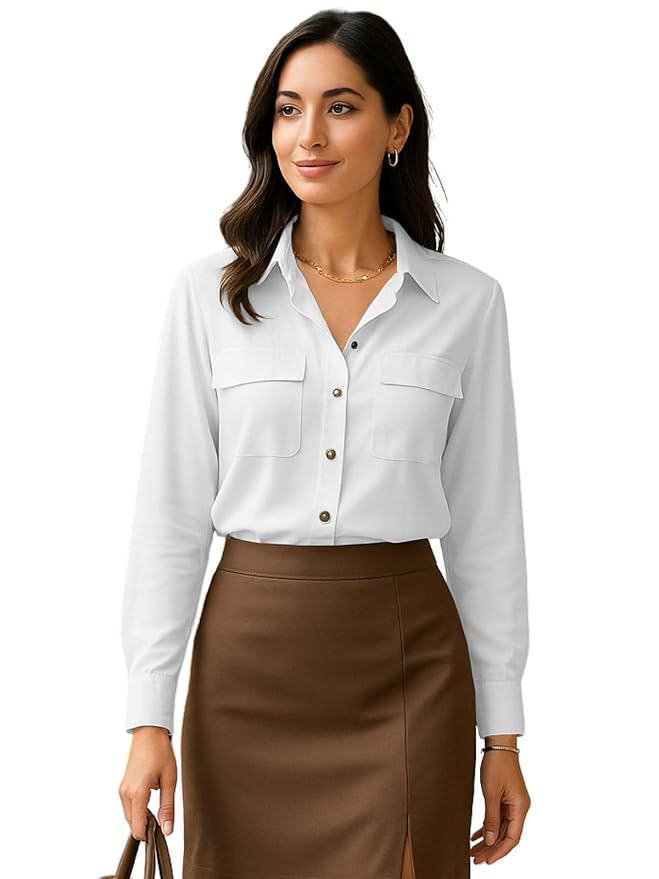
GRECIILOOKS Stylish Oversized Long Shirt for Women
✔ Comfortable & versatile
✔ Easy to pair with trousers or blazer
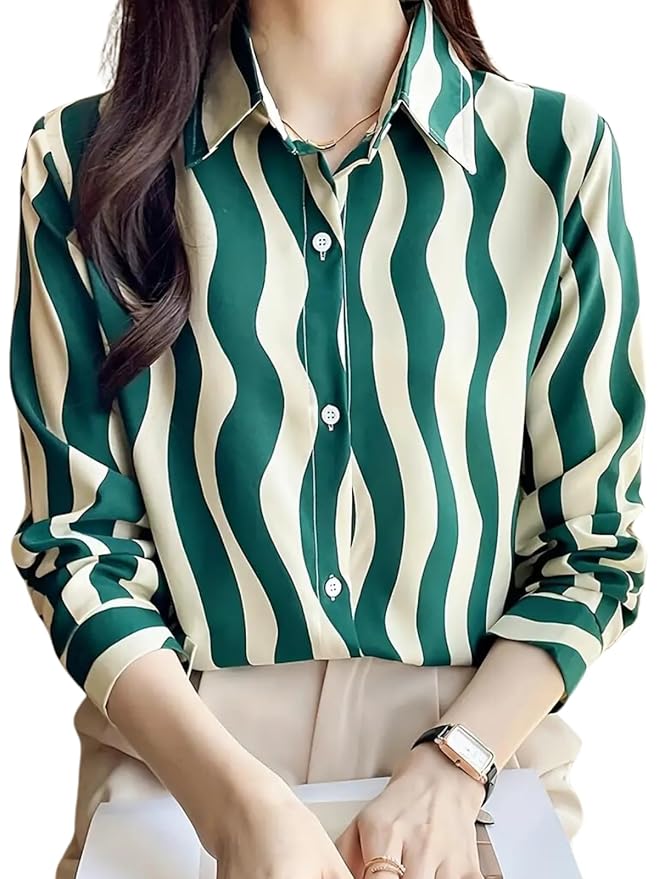
GRECIILOOKS Women’s Stylish Long Shirt Top
✔ Suitable for interviews
✔ Modern structured fit

Leriya Fashion 3-Piece Blazer Set for Women
✔ Ideal for corporate interviews
✔ Structured, professional silhouette
Semi-Formal Interview Outfits for Women (Tech, IT & Modern Corporate)
Semi-formal strikes the balance between business professional and business casual. It is the safe middle ground when company culture appears modern or tech-oriented but you want to maintain clear professionalism. Ideal for IT companies, modern corporate offices, and second-round interviews where culture seems less formal.
6. Blouse + Tailored Trousers
Complete formula:
- Button-down or structured blouse (white, light blue, pastels)
- Tailored trousers or dress pants (navy, grey, black, khaki)
- Blazer optional but adds polish
- Low heels, flats, or loafers
- Simple jewelry and accessories
Risk: Low – Professional and comfortable
7. Structured Dress + Cardigan
Complete formula:
- Simple knee-length dress (solid or subtle pattern)
- Cardigan or light blazer for layering
- Modest neckline and fit
- Flats or low heels
- Minimal accessories
Risk: Low – Approachable and professional
8. Formal Kurti + Cigarette Pants (India)
Complete formula:
- Simple formal kurti (solid or minimal print)
- Cigarette trousers or formal ankle-length pants
- Neutral or pastel colors
- Minimal dupatta or skip entirely
- Closed-toe footwear
Risk: Low – Modern Indian professional look
When Is Semi-Formal the Right Choice?
✓ Good for:
- Tech company interviews
- IT and software roles
- Modern corporate offices
- Second-round interviews (less formal culture)
- Internal promotions
✗ Avoid for:
- Banking and finance
- Law and consulting first rounds
- Government and PSU
- Executive/C-suite roles
- Very formal corporate headquarters
Business Casual Interview Outfits for Women (Startups & Creative Roles)
Can Women Wear Business Casual to Interviews?
Answer: Depends on company culture. Business casual is acceptable for interviews at casual startups, creative agencies, and very relaxed tech companies—but only when you have confirmed through research that this is their norm. Default to semi-formal when uncertain.

9. Smart Dark Jeans + Blazer
When acceptable: Very casual tech startups and creative agencies where daily wear is jeans and T-shirts.
- Dark, plain, well-fitted jeans (no rips, fading, or distressing)
- Structured blouse or button-down
- Blazer or structured jacket (mandatory to elevate jeans)
- Loafers, flats, or low heels (no sneakers)
- Minimal accessories
Risk: Medium-High – Verify culture first
10. Chinos + Structured Top
Safer business casual option than jeans—works in more environments.
- Dress chinos or khakis (navy, grey, beige, black)
- Blouse, button-down, or knit top
- Blazer or cardigan adds polish
- Flats or loafers
- Simple accessories
Risk: Medium – Research culture first
11. Simple Dress + Cardigan
Polished business casual that works in creative and casual tech.
- Simple knee-length dress (solid or subtle pattern)
- Cardigan, blazer, or light jacket
- Flats or low heels
- Minimal jewelry
- Structured bag
Risk: Medium – Good for creative sectors
⚠ Business Casual Interview Warning
Never wear business casual to: Banking, finance, insurance, law, consulting, government, education, healthcare corporate roles, or any interview where you are unsure of dress code. The risk of appearing underdressed far outweighs the comfort benefit. When in doubt, choose semi-formal or formal—you can always remove a blazer, but you cannot add formality after arrival.
Pants vs Skirts vs Dresses: What’s Best for Women in Interviews?
One of the most common questions women ask: Are pants better than skirts for job interviews? The answer depends on region, industry, and personal comfort—but pantsuits are universally safe, while skirts and dresses require more attention to length and styling.
✓ Bottom Line Recommendation
Pants (pantsuits or trousers with blazer) are the safest choice for women across all industries, regions, and formality levels. They eliminate concerns about skirt length, sitting position, modesty norms, and cultural appropriateness. Skirts and dresses work well when styled correctly but require more attention to detail. For your first interview at any company, default to pantsuits—they are universally accepted and professional.
Interview Outfit for Women by Industry
Different industries have distinct formality expectations. Use this guide to match your outfit to interviewer expectations in your target sector.
Regional Interview Dress Expectations for Women
Cultural norms and regional preferences influence interview dress expectations. While navy and charcoal pantsuits work globally, these regional nuances help you adapt to local expectations.
🇺🇸 United States & Canada
General norm: Pantsuits and skirt suits both widely accepted. Business professional standard in East Coast (NYC, Boston); West Coast (Silicon Valley) more business casual tolerant.
- Formal sectors: Navy/charcoal suit mandatory
- Tech: Semi-formal acceptable (blouse + trousers)
- Skirt length: Knee or just below standard
- Hosiery: Optional in most regions
🇬🇧 United Kingdom & Europe
General norm: Conservative and formal. UK/Germany prefer darker colors (navy, black, charcoal). France/Italy slightly more style-conscious.
- Pantsuits and skirt suits both common
- Tailoring and fit highly valued
- Neutral hosiery often expected with skirts
- Minimalist accessories preferred
🇮🇳 India & South Asia
General norm: Both Western suits and ethnic wear (saree, salwar-kameez) professional and accepted. Government/PSU prefer traditional wear.
- Simple saree/salwar-kameez in pastels widely accepted
- Western pantsuits also professional
- Modesty important: cover shoulders and knees
- Avoid bright colors and heavy embroidery
🇦🇪 Middle East (UAE, Saudi Arabia)
General norm: Conservative dress mandatory. Full coverage expected—shoulders, arms, knees covered. Modest necklines.
- Abaya, long tunic + trousers, or modest suit
- Hijab neatly styled (for Muslim women)
- Navy, black, neutral colors preferred
- Avoid form-fitting or revealing styles
🇸🇬 Singapore & Hong Kong
General norm: Very formal business professional standard. Conservative colors and cuts expected across sectors.
- Pantsuits or formal skirt suits
- Navy, black, charcoal standard
- Closed-toe heels or formal flats
- Climate: Lighter fabrics but formal colors
🇦🇺 Australia & New Zealand
General norm: Business casual more common than US/UK. Slightly relaxed but still professional. Pantsuits less universal.
- Semi-formal widely acceptable
- Blazer + trousers/skirt + blouse standard
- Earth tones and neutrals accepted
- Full suits less common in tech/creative
Universal Global Rule for Women
When interviewing for international companies or global roles: Navy or charcoal pantsuit with white or light blue blouse is universally professional and culturally appropriate across all regions, industries, and religions. This combination works in New York, London, Dubai, Mumbai, Singapore, and Sydney equally well.
Climate-Smart Interview Dressing for Women
🌞 Hot & Humid Climates
Challenges: Heat, sweating, outdoor travel to office.
Fabric choices:
- Lightweight cotton, linen blends, breathable synthetics
- Avoid heavy wool, thick polyester
Practical strategies:
- Carry blazer, wear indoors only
- Lighter colors if industry appropriate
- Use antiperspirant (not just deodorant)
- Arrive early to cool down and compose
- Keep spare blouse/top in car if needed
❄️ Cold & Winter Conditions
Challenges: Layering, arriving cold and disheveled.
Layering strategy:
- Base: Blouse or shell top
- Middle: Thin sweater or blazer
- Outer: Professional overcoat or trench
Practical strategies:
- Remove coat before entering interview room
- Arrive early to warm up and adjust layers
- Check hair and outfit after removing hat/scarf
- Weather-proof formal shoes or change on arrival
🌧️ Rainy / Monsoon Season
Challenges: Getting wet, water stains, muddy shoes.
Practical strategies:
- Carry formal shoes in bag; wear waterproof footwear for commute
- Avoid light colors that show water stains (white, cream, light grey)
- Keep interview outfit in plastic bag during travel
- Carry small towel to dry off if needed
- Check hair and clothes in restroom before interview
- Trousers hemmed to correct length (not dragging through puddles)
Virtual & Remote Interview Outfits for Women
Should You Dress Fully Professional for Video Interviews?
Yes—always dress head to toe. While only your upper body is visible, you may need to stand unexpectedly, and dressing fully puts you in a professional mindset. Wearing pajama bottoms can affect your confidence and performance even if not visible on camera.

✓ Best for Video
- Colors: Navy, charcoal, mid-tone blues, jewel tones (emerald, sapphire, burgundy)
- Necklines: Collared shirts, simple round necks, boat necks
- Structured tops: Blazers frame face well on camera
- Solid colors: Better than patterns
- Minimal jewelry: Avoid reflective or noisy pieces
✗ Avoid on Video
- Pure white: Causes glare and overexposure
- Very dark black: Can look flat or merge with background
- Neon colors: Distort and “bleed” on screen
- Busy patterns: Thin stripes, checks create moiré effect
- Shiny fabrics: Reflect light and distract
- Large jewelry: Can cause glare or look oversized
Virtual Interview Setup Checklist
- Test outfit on camera 30 minutes before—check for glare, color distortion, and framing
- Camera at eye level—avoid looking down or up at screen
- Good lighting from front or side (not behind you)—face should be well-lit without harsh shadows
- Neutral, clean background—plain wall, bookshelf, or professional virtual background
- Ensure contrast with background—outfit color should stand out from background
- Upper body emphasis—face and shoulders most visible, ensure neat styling
- Test technology—audio, video, internet, platform login working 30+ minutes before
Color Matching for Virtual Backgrounds
Common Interview Outfit Mistakes Women Make
❌ Too Casual for Industry
Wearing jeans, leggings as pants, T-shirts, sneakers, or hoodies to formal sector interviews. Even if company is casual daily, elevate for interviews.
❌ Too Revealing or Tight
Low-cut tops, very short skirts, bodycon dresses, see-through fabrics without proper layering, or overly tight clothing that requires constant adjustment.
❌ Wrong Skirt Length
Skirts above mid-thigh or that ride up when sitting. Always test sit position before choosing. Knee-length or just below is safest.
❌ Loud Colors or Patterns
Neon colors, bright orange, large florals, animal prints, cartoon graphics, or very busy patterns that distract from your face and conversation.
❌ Poor Grooming
Wrinkled clothes, chipped nail polish, messy hair, overpowering perfume, heavy party makeup, or visible dirt/stains on clothing or shoes.
❌ Uncomfortable Shoes
Brand-new, unbroken shoes causing blisters; very high heels you cannot walk in comfortably; or worn-out, scuffed shoes showing visible damage.
❌ Excessive Accessories
Multiple rings, large statement necklaces, noisy bangles, flashy jewelry, oversized bags with cartoon characters, or overly decorative items that distract.
❌ Not Testing Video Outfit
For virtual interviews: not checking how outfit looks on camera, wearing colors that cause glare or distortion, or having poor background contrast.
✓ What To Do Instead
- Choose navy, charcoal, or grey pantsuit as base—universally professional
- Test outfit by sitting in interview position—check length, fit, comfort
- Keep jewelry minimal—simple earrings, watch, one ring maximum
- Ensure modest neckline and appropriate skirt/dress length
- Break in shoes 2-3 days before interview—never wear brand new on interview day
- For video: test on camera 30 minutes before; check colors, background, lighting
- Lay out complete outfit night before—check for wrinkles, stains, missing buttons
“What Should I Wear to This Interview?” Decision Framework
Use this step-by-step guide to choose the perfect interview outfit based on your specific situation.
Step 1: Research Company Culture
Spend 15-20 minutes checking:
- Company website team photos and office environment images
- LinkedIn company page employee photos and culture posts
- Instagram/Facebook for casual office photos showing real work attire
- Glassdoor reviews mentioning dress code or work environment
- Industry standards (banking formal vs tech casual vs creative flexible)
Step 2: Match Industry to Formality Level
Formal Required
Banking, law, consulting, corporate, government → Navy/charcoal pantsuit
Semi-Formal Safe
Tech, IT, modern offices → Blouse + trousers + blazer optional
Business Casual (Verify First)
Startups, creative → Smart separates, blazer recommended
Step 3: Apply “One Level Above” Rule
Dress slightly more formal than employees’ daily wear:
- If employees wear jeans + T-shirts → You wear: Smart casual (dark jeans + blazer + blouse) or semi-formal
- If employees wear business casual → You wear: Semi-formal or business professional (pantsuit/blazer + trousers)
- If employees wear business professional → You wear: Business professional with extra grooming and polish
Step 4: Adjust for Region and Role
- US/Canada East Coast: More formal—lean toward pantsuits and conservative colors
- US West Coast / Australia: Slightly more casual—semi-formal often acceptable
- UK/Europe: Conservative and tailored—prefer darker colors and classic cuts
- India/Middle East: Modesty valued—ethnic wear acceptable; cover shoulders and knees
- Senior roles: Always formal regardless of company culture—you represent organization
- Entry-level: Safe to match or slightly exceed company norm
Step 5: When in Doubt, Choose Formal
If research is inconclusive or you cannot find clear information, always err on the side of being slightly overdressed. No interviewer will fault you for looking “too professional.” You can remove a blazer if the environment is clearly casual, but you cannot add formality after arriving underdressed.
Universal safe choice: Navy or charcoal pantsuit with white or light blue blouse. Works for 95% of interviews globally across all industries and regions.
Complete Your Interview Preparation
Your outfit is just one element of interview success. For comprehensive guidance covering men’s and women’s dress codes, grooming, accessories, and industry-specific advice, read our complete guide:
→ What to Wear to a Job Interview: Complete Dress & Grooming Guide (Male & Female – India & Global)
Frequently Asked Questions
What is the best interview dress for women?
The best interview dress for women is a navy or charcoal pantsuit paired with a white or light blue blouse and closed-toe heels or flats. This combination is universally professional across all industries, regions, and formality levels. It conveys authority, competence, and seriousness while eliminating concerns about skirt length, modesty, or cultural appropriateness. For less formal industries (tech, creative), semi-formal separates (blouse + tailored trousers + blazer) work well.
Is a dress OK for a job interview?
Yes, dresses are acceptable for job interviews when styled correctly. Choose a structured, knee-length dress in navy, charcoal, grey, or neutral colors. Pair with a blazer or cardigan for added formality. Ensure modest neckline (no plunging V-necks), appropriate length (knee or just below), and fitted-but-not-tight cut. Sleeveless dresses require blazer worn throughout interview. Test sitting position before choosing to ensure dress does not ride up.
Are pants or skirts better for job interviews?
Pants (pantsuits or tailored trousers) are safer and more universally accepted than skirts for job interviews. Pantsuits eliminate concerns about skirt length, sitting position, modesty norms, and cultural appropriateness across global markets. Skirts work well when styled correctly (knee-length or just below, modest cut, proper fit) but require more attention to detail. Both are professional—choose pants for maximum safety, especially for first interviews or when uncertain about company culture.
Can women wear business casual to interviews?
Depends on company culture. Business casual is acceptable for interviews at casual startups, creative agencies, and very relaxed tech companies—but only when you have confirmed through research that this is their norm. Check company social media, website photos, and Glassdoor reviews. Never wear business casual to banking, finance, law, consulting, government, or corporate interviews. When uncertain, choose semi-formal or formal—it is always safer to be slightly overdressed than underdressed.
What should women wear to a tech interview?
For tech company interviews, semi-formal is the safe choice: Blouse or button-down + tailored trousers + blazer (optional but recommended) + flats or low heels. Alternatively, structured dress with cardigan or blazer. Formal kurti with cigarette pants also works (India). Avoid full suits unless applying to very large, formal tech companies. Never wear jeans to first-round tech interviews unless company explicitly states casual dress code. Use “one level above” rule—dress slightly more formal than employees’ daily wear.
What colors are best for women’s interview outfits?
Safest colors for women’s interview outfits: Navy blue (most recommended), charcoal grey, black, white, light blue, and soft neutrals (cream, beige, taupe). These colors convey professionalism, trust, and competence globally. Pastels (soft pink, lavender, mint) work in business casual and people-facing roles. Avoid neon colors, bright orange, hot pink, bright yellow, very bright red, and loud patterns. For more detailed color guidance, see our comprehensive interview color psychology guide.
Do women need to wear heels to job interviews?
No, heels are not mandatory for job interviews. Closed-toe pumps, low heels (1-3 inches), professional flats, or loafers are all acceptable. Choose footwear you can walk in comfortably and confidently. Comfort and professionalism matter more than heel height. If wearing heels, break them in 2-3 days before interview—never wear brand new heels on interview day. Very high stilettos (4+ inches) can be risky in conservative sectors where they may appear too fashion-forward rather than professional.
What should women wear for virtual or video interviews?
Dress exactly as you would for in-person interviews, from head to toe. Best colors for video: Navy, charcoal, mid-tone blue, jewel tones (emerald, sapphire, burgundy), soft pastels. Avoid pure white (glare), very dark black (flat), neon colors (distort), busy patterns (moiré effect), and shiny fabrics (reflect light). Choose structured tops with collared or modest necklines. Test outfit on camera 30 minutes before interview. Ensure good contrast with background and proper lighting from front or side.
Is Indian ethnic wear acceptable for job interviews?
Yes, Indian ethnic wear is professional and widely accepted for interviews in India when styled appropriately. Choose simple saree, formal salwar-kameez, or kurti with trousers in muted colors (pastels, neutrals, soft jewel tones). Avoid heavy embroidery, sequins, bright colors, or festive styling. Ensure modest neckline, covered shoulders, and neat draping. Ethnic wear is often preferred in government, PSU, education, and traditional corporate sectors in India. In Western markets, pantsuits are more common, but conservative ethnic wear is acceptable.
What if I don’t know the company’s dress code?
Default to business professional—formal interview dress. When you cannot find clear information despite research, always choose navy or charcoal pantsuit with white or light blue blouse and closed-toe heels or flats. This combination is universally professional and culturally appropriate across all industries and regions. It is always safer to be slightly overdressed than underdressed—no interviewer will penalize you for looking professional. You can remove a blazer if environment is casual, but you cannot add formality after arrival.
Ready to Nail Your Interview?
The right outfit builds confidence and keeps interviewers focused on your qualifications. Choose a navy or charcoal pantsuit, dress with attention to fit and modesty, and walk into your interview knowing you look professional and prepared.
Remember: When in doubt, navy pantsuit with white or light blue blouse is always the right answer for women globally.

