

Business Casual vs Smart Casual vs Business Formal: Complete Dress Code Guide (With Examples & Photos)
Quick Answer (If You’re in a Hurry)
Business Formal: Dark suit, dress shirt, conservative tie, leather dress shoes. Most conservative. Used for interviews, client meetings, finance/law roles, government offices.
Business Casual: Collared shirts, blouses, dress pants, chinos, knee-length skirts, loafers, flats. No jeans/sneakers in most corporate settings; sometimes allowed in tech/startups. Default for many modern offices.
Smart Casual: Mix of tailored and casual pieces. Dark jeans with blazer, minimalist sneakers with chinos, structured dress with cardigan. More fashion-forward than business casual. Common in creative/tech roles.
Table of Contents
- 1. What Do These Dress Codes Actually Mean?
- 2. Side-by-Side Comparison Table
- 3. Business Casual Rules for Men
- 4. Business Casual Rules for Women
- 5. The Big Questions: Jeans, Sneakers, Shoes, Accessories
- 6. Industry-Wise Dress Code Rules
- 7. India-Specific Office Wear (Western + Ethnic)
- 8. Seasonal Dressing: Summer and Winter
- 9. Remote and Hybrid Work Dress Codes
- 10. Common Mistakes to Avoid
- 11. Decision Guide: What Should I Wear Today?
- 12. Related Professional Life Skills Guides
- 13. Frequently Asked Questions
1. What Do These Dress Codes Actually Mean?
Understanding office dress codes can be confusing because the same terms mean different things in different companies, industries, and countries. This guide provides clear, practical definitions based on real HR policies and workplace expectations.
Business Formal (Business Professional)
Purpose: The most conservative and traditional dress code. Used when you need to project maximum professionalism and authority.
When it’s required:
- Job interviews (especially for corporate, finance, law, government positions)
- Client meetings and presentations in traditional industries
- Finance, law, consulting, and accounting firms (daily wear for many roles)
- Government and public sector offices
- Senior leadership and executive positions
- Formal business events and conferences
What to wear:
- Men: Dark suit (navy, charcoal, black), dress shirt (white or light blue), conservative tie, leather dress shoes (oxfords, derbies), matching belt, dress socks
- Women: Tailored pantsuit or skirt suit, formal blouse or dress shirt, sheath dress with blazer, closed-toe heels or formal flats, minimal jewelry
What to avoid: Jeans, casual pants, polo shirts, sneakers, sandals, flashy colors, loud patterns, casual accessories

Business Casual
Purpose: Professional but relaxed. The most common dress code in modern offices. Maintains a polished appearance without requiring a full suit.
When it’s required:
- Default dress code for many corporate offices
- Internal meetings and regular office days
- IT companies, enterprise tech firms (non-client-facing)
- “Dress-up” days in casual workplaces
- First days at new jobs (when dress code is unclear)
What to wear:
- Men: Collared shirts (button-downs, dress shirts), polo shirts, dress pants, chinos, khakis, optional blazer or cardigan, loafers, dress shoes, leather belt
- Women: Blouses, dress shirts, cardigans, sweaters, dress pants, knee-length skirts, professional dresses, closed-toe flats, low heels, minimal accessories
What to avoid: T-shirts, hoodies, shorts, flip-flops, athletic wear, ripped clothing, overly casual items. Jeans and sneakers: Policies vary widely—banned in many traditional offices, allowed in tech/creative roles (see detailed section below).

Smart Casual
Purpose: More fashion-forward and flexible than business casual. Mixes tailored pieces with casual elements while maintaining a polished, intentional look.
When it’s appropriate:
- Startups and creative agencies (daily wear)
- Tech companies with relaxed cultures
- Casual Fridays in business casual offices
- Networking events and industry meetups
- Modern offices with flexible dress policies
What to wear:
- Men: Dark jeans (no rips), chinos, button-down shirts (can be untucked if tailored), polo shirts, blazers with casual pants, loafers, minimalist leather sneakers, casual leather belts
- Women: Dark jeans with blouse, midi skirts with tops, casual dresses with structure, blazers over casual outfits, ankle boots, flats, fashion sneakers (minimalist), statement accessories (in moderation)
What to avoid: Athletic wear, gym shorts, graphic tees, flip-flops, heavily distressed denim, overly trendy or revealing clothing
Key difference from business casual: Smart casual allows more personal style and fashion choices (dark jeans, clean sneakers, trendier cuts) as long as the overall look remains polished and intentional.

2. Side-by-Side Comparison Table
This table provides a quick reference to understand the key differences between the three main dress codes:
| Aspect | Business Formal | Business Casual | Smart Casual |
|---|---|---|---|
| Formality Level | Most formal | Moderately formal | Least formal (but still polished) |
| Suit Required | Yes (full suit) | No (optional blazer) | No (optional blazer) |
| Tie Required | Yes (men) | No | No |
| Jeans Allowed | Never | Rarely (depends on company) | Yes (dark, no rips) |
| Sneakers Allowed | Never | Rarely (modern offices only) | Yes (minimalist leather) |
| Men’s Tops | Dress shirt + tie | Collared shirts, polos | Button-downs, polos, casual shirts |
| Men’s Bottoms | Suit trousers | Dress pants, chinos | Chinos, dark jeans |
| Men’s Shoes | Leather dress shoes | Loafers, oxfords | Loafers, leather sneakers |
| Women’s Options | Suit, formal dress + blazer | Blouses, dress pants, skirts, dresses | Wide variety, fashion-forward |
| Women’s Shoes | Closed-toe heels, formal flats | Flats, low heels, professional shoes | Flats, ankle boots, fashion sneakers |
| Common Industries | Finance, law, government, consulting | Corporate offices, IT, healthcare admin | Tech, startups, creative, media |
| Typical Occasions | Interviews, client meetings, executive roles | Daily office wear, internal meetings | Casual offices, Fridays, networking |
3. Business Casual Rules for Men
Business casual for men strikes a balance between professional appearance and comfort. Here’s a comprehensive breakdown of what works and what doesn’t.
Acceptable Business Casual Items for Men
Shirts and Tops
- Dress shirts: Long-sleeve or short-sleeve (depending on climate), button-down collar or regular collar, solid colors or subtle patterns
- Polo shirts: Solid colors or minimal branding, good condition (no fading or pilling), fitted but not tight
- Casual button-downs: Oxford cloth, chambray, linen (for summer), plaid or checks acceptable if not too loud
- Sweaters and cardigans: V-neck, crew neck, or quarter-zip, worn over collared shirts or on their own in modern offices
Pants and Bottoms
- Dress pants: Wool, cotton, or blend, navy, gray, black, khaki colors, pleated or flat-front
- Chinos: Cotton twill pants, navy, khaki, gray, olive, well-fitted (not too baggy or tight)
- Khakis: Traditional tan/beige chinos, crisp and pressed
Shoes
- Leather dress shoes: Oxfords, derbies, brogues in black, brown, or burgundy
- Loafers: Penny loafers, tassel loafers, driving loafers (leather or suede)
- Dress boots: Chelsea boots, chukka boots in leather or suede (for winter or smart business casual)
- Monk straps: Single or double monk strap shoes (more fashion-forward)
Accessories
- Belt: Leather belt matching shoe color (brown with brown shoes, black with black shoes)
- Watch: Simple, classic watch (leather strap or metal bracelet, avoid large sports watches)
- Socks: Dress socks matching pants or shoes, long enough to cover ankles when sitting
- Minimal jewelry: Wedding ring, simple bracelet if appropriate to culture
Items to Avoid in Business Casual (Men)
- T-shirts (graphic or plain)
- Hoodies and sweatshirts
- Athletic wear and gym clothes
- Shorts (in most office settings)
- Flip-flops, sandals, or Crocs
- Athletic sneakers or running shoes
- Ripped, torn, or heavily distressed clothing
- Clothing with offensive logos or messages
- Overly bright or neon colors
- Wrinkled or stained clothing
Business Casual Outfit Combinations for Men
Conservative Office (Finance, Legal, Traditional Corporate)
- White or light blue dress shirt + navy dress pants + brown leather oxfords + leather belt
- Light gray dress shirt + charcoal dress pants + black leather derbies + optional blazer
- Polo shirt (navy, gray, or white) + khaki chinos + brown loafers
Modern Office (Tech, Startups, Creative)
- Casual button-down (plaid or solid) + navy chinos + brown leather loafers
- Polo shirt + olive chinos + suede desert boots
- V-neck sweater over collared shirt + gray dress pants + brown oxfords
- Dark jeans (if allowed) + white button-down + blazer + brown loafers

Grooming Standards for Business Casual (Men)
- Hair: Clean, well-groomed, professional style (avoid extreme colors or very messy styles in conservative offices)
- Facial hair: If you have a beard or mustache, keep it trimmed and neat; clean-shaven is safest for conservative industries
- Nails: Clean and trimmed
- Fragrance: Light cologne or none (avoid heavy scents)
- Overall: Shower, deodorant, fresh breath—basic hygiene is non-negotiable
4. Business Casual Rules for Women
Business casual for women offers more variety and flexibility than men’s options, but this can also create confusion. Here’s a clear guide to acceptable choices.
Acceptable Business Casual Items for Women
Tops
- Blouses: Button-down, shell, wrap, or peplum styles in solid colors or subtle patterns
- Dress shirts: Similar to men’s dress shirts, tailored for women
- Sweaters: Cardigans, pullovers, turtlenecks in appropriate fabrics
- Knit tops: Professional knit tops with structure (avoid clingy or see-through fabrics)
- Polo shirts: Acceptable in some offices, especially tech and casual corporate
Bottoms
- Dress pants: Tailored trousers in neutral colors (black, navy, gray, beige), ankle-length or full-length
- Chinos: Cotton twill pants, similar to men’s chinos
- Skirts: Knee-length or longer, A-line, pencil, or pleated styles
- Culottes: Wide-leg cropped pants (in more modern offices)
Dresses
- Sheath dresses: Fitted but not tight, knee-length, classic business dress
- A-line dresses: Flared from waist, professional length
- Shirt dresses: Button-down style, appropriate length
- Wrap dresses: Flattering and professional, ensure adequate coverage
Shoes
- Flats: Leather or fabric, closed-toe, ballet flats, loafers, pointed flats
- Low heels: 1-2 inch heels, pumps, kitten heels
- Mid heels: 2-3 inch heels, pumps, slingbacks
- Ankle boots: Low or mid heel, leather, professional style (not cowboy or combat styles)
- Dress sandals: In warm climates, closed-toe or minimal open-toe if policy allows
Accessories and Jewelry
- Simple jewelry: Stud or small hoop earrings, simple necklace, professional watch, one or two rings
- Scarves: Can add professionalism and style to an outfit
- Belts: Coordinate with outfit and shoes
- Professional bag: Structured tote, satchel, or handbag in neutral colors
Items to Avoid in Business Casual (Women)
- Very short skirts or dresses (more than 2-3 inches above knee)
- Sleeveless tops without a cardigan or blazer (in conservative offices)
- Low-cut or revealing tops
- Leggings as pants (unless worn under a long tunic or dress)
- Yoga pants or athletic wear
- Flip-flops or beach sandals
- Very high heels (over 4 inches) or stilettos
- Ripped or distressed clothing
- Overly tight or revealing clothing
- Clothing with offensive graphics or messages
- Excessive perfume or heavy makeup
Business Casual Outfit Combinations for Women
Conservative Office
- White blouse + black dress pants + closed-toe flats or low heels + cardigan
- Navy sheath dress + blazer + closed-toe pumps
- Light blue dress shirt + gray trousers + loafers + simple necklace
- Pencil skirt + tucked-in blouse + belt + low heels
Modern Office
- Wrap dress (solid or subtle print) + ankle boots + statement necklace
- Wide-leg trousers + tucked-in knit top + flats + structured bag
- A-line skirt + blouse + cardigan + ballet flats
- Culottes + fitted top + blazer + loafers
- Dark jeans (if allowed) + blouse + blazer + flats or ankle boots

Length and Coverage Guidelines
Safe Business Casual Standards for Women
- Skirt/dress length: At or slightly above knee (use “fingertip rule”—hem should be at or below fingertips when arms are at sides)
- Sleeve length: At least cap sleeves; sleeveless okay with cardigan or blazer available
- Neckline: No more than 2-3 inches below collarbone; avoid plunging necklines
- Fit: Clothes should fit well—not too tight or too loose; should be able to sit, bend, and move comfortably
- Transparency: No see-through fabrics; layer if necessary
Hosiery and Undergarments
- Hosiery: Optional in most modern offices; neutral or black tights in winter; sheer nude hose for very conservative settings
- Undergarments: Should not be visible; nude or matching undergarments under light clothing
5. The Big Questions: Jeans, Sneakers, Shoes, Accessories
These are the most confusing aspects of modern dress codes. Policies vary widely, and what’s acceptable in one office may be prohibited in another.
Are Jeans Allowed in Business Casual?
✓ Yes, Jeans Often Allowed
- Tech companies and startups
- Creative agencies and media
- Modern retail corporate offices
- “Casual Friday” policies
- Agencies with young, casual cultures
Requirements: Must be dark wash (navy, black, dark gray), no rips or distressing, well-fitted, styled with professional tops and shoes
✗ No, Jeans Not Allowed
- Finance and banking
- Law firms and legal
- Consulting firms
- Government offices
- Traditional corporate offices
- Healthcare administration
Reason: Written policies explicitly exclude jeans from business casual
How to Know If Jeans Are Acceptable
- Check your employee handbook or dress code policy
- Ask HR or your manager directly
- Observe what others wear, especially managers and senior staff
- Look for “Casual Friday” or specific jeans-allowed days
- When in doubt, wear dress pants for first few weeks and observe
Safe rule: If you’re new to an office, attending an important meeting, or meeting clients, choose dress pants or chinos over jeans until you understand the culture.
Are Sneakers Allowed in Business Casual?
✓ Yes, Sneakers Allowed
- Tech companies (especially engineering teams)
- Startups with casual cultures
- Creative and design agencies
- Modern retail corporate
- Some hybrid/remote-first companies
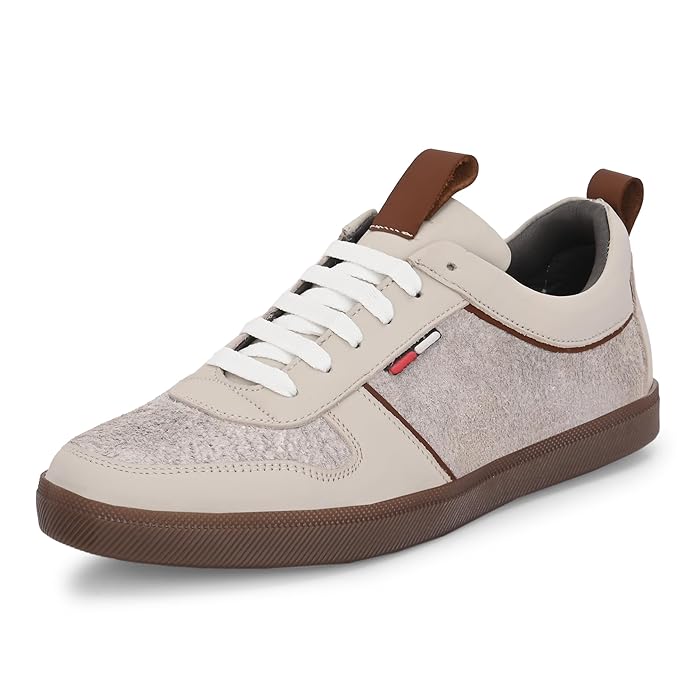
Requirements: Must be minimalist leather sneakers (white, black, gray), clean and in good condition, not athletic or running shoes, styled with smart casual outfits
✗ No, Sneakers Not Allowed
- Most traditional corporate offices
- Finance, law, consulting
- Government and public sector
- Healthcare administration
- Client-facing roles in most industries
Expected: Leather dress shoes, loafers, or formal flats
Examples of acceptable sneakers: Common Projects, Veja, minimalist Adidas Stan Smith, simple leather Converse, clean white leather sneakers
Examples of unacceptable sneakers: Bright colored running shoes, heavily branded athletic shoes, worn or dirty sneakers, basketball shoes, chunky fashion sneakers
Shoe Guidelines: What’s Always Safe?
| Shoe Type | Men | Women | Formality Level |
|---|---|---|---|
| Oxfords/Derbies | ✓ Always safe | ✓ Always safe | Business formal to business casual |
| Loafers | ✓ Always safe | ✓ Always safe | Business casual to smart casual |
| Pumps (closed-toe) | — | ✓ Always safe | Business formal to business casual |
| Ballet flats | — | ✓ Always safe | Business casual |
| Ankle boots | ✓ Usually safe | ✓ Usually safe | Business casual to smart casual |
| Monk straps | ✓ Usually safe | — | Business casual to smart casual |
| Leather sneakers | ⚠ Depends on office | ⚠ Depends on office | Smart casual only |
| Dress sandals | ⚠ Climate/culture | ⚠ Climate/culture | Casual offices only |
| Athletic shoes | ✗ Not acceptable | ✗ Not acceptable | — |
| Flip-flops | ✗ Never acceptable | ✗ Never acceptable | — |
Accessories: What’s Acceptable?
Always Acceptable
- Watches: Simple, classic styles; leather strap or metal bracelet; avoid large sports watches in formal settings
- Belts: Leather, matching shoe color (brown with brown, black with black), simple buckle
- Wedding/engagement rings: Standard jewelry in all professional settings
- Religious/cultural items: Crosses, turbans, hijabs, bindis, etc. (legally protected and culturally respected)
- Simple jewelry: Small earrings, thin bracelets, simple necklaces, professional cufflinks
Use Caution
- Statement jewelry: Large earrings, chunky necklaces—acceptable in creative fields, risky in conservative offices
- Visible tattoos: Increasingly accepted, but may still be concern in conservative industries; check company culture
- Multiple piercings: Conservative offices may prefer one or two per ear; check your industry
- Bright colored accessories: Fine in modern offices; tone down for traditional settings
Generally Avoid
- Noisy jewelry (bangles, large bracelets that clink)
- Overpowering perfume or cologne
- Baseball caps or beanies indoors
- Sunglasses indoors
- Large visible logos or branded items (unless luxury brands in appropriate context)
6. Industry-Wise Dress Code Rules
Dress code expectations vary dramatically by industry. Here’s what to expect in different sectors:
Information Technology (IT Companies)
Large IT Services & Enterprise Tech (TCS, Infosys, Wipro, IBM, Accenture)
Daily wear: Business casual to smart casual
- Engineering/development teams: Often more casual; jeans common, polos and casual shirts accepted
- Client-facing/consulting: Business casual; collared shirts, dress pants, sometimes blazers
- Management/senior roles: Business casual to business formal for client meetings
Typical policy: Jeans allowed (dark, no rips), sneakers accepted in some companies, very casual on non-client days
Product Tech Companies (Google, Microsoft, Amazon, Indian Startups)
Daily wear: Casual to smart casual
- Engineering: Very casual—jeans, t-shirts, hoodies common
- Product/design: Smart casual—dark jeans, nice tops, minimalist sneakers
- Business roles: Business casual—step up slightly from engineering norms
Typical policy: Very relaxed; “wear what makes you productive”; step up for external meetings
Startups
Daily wear: “Startup casual” to smart casual
- Founders/leadership: Often dress slightly better than team; smart casual typical
- Team members: Very casual; jeans and t-shirts standard
- Important meetings (investors, partners): Smart casual to business casual
Typical policy: No formal dress code; comfort prioritized; dress up for external stakeholders
Corporate Offices (MNCs, Traditional Companies)
Finance, Banking, Insurance
Daily wear: Business formal to business casual
- Client-facing/front office: Business formal (suits) required
- Back office/internal teams: Business casual on regular days
- Senior management: Business formal standard
Typical policy: Conservative; jeans and sneakers not allowed; dress code strictly enforced
Law Firms
Daily wear: Business formal
- Lawyers and partners: Full suits required
- Associates: Business formal for court and client meetings; business casual may be allowed for internal work
- Support staff: Business casual
Typical policy: Very conservative; jeans never acceptable; formal appearance crucial for credibility
Consulting
Daily wear: Business formal to business casual (depends on client)
- Client sites: Match or exceed client dress code (usually business formal)
- Internal office: Business casual acceptable
- Presentations/pitches: Business formal required
Typical policy: “Dress for the client”—formal appearance expected in traditional industries
Manufacturing & Engineering
Office staff: Business casual
Floor/plant workers: Safety attire, uniforms, protective equipment
Typical policy: Practical over fashionable; safety first in production areas
Government & Public Sector (India)
Daily wear: Business formal to conservative business casual
- IAS/IPS officers: Business formal standard
- Government employees: Formal attire; jeans and t-shirts explicitly banned in many states
- PSU companies: Business casual to business formal depending on role
Typical policy: “Proper and clean formal attire”; ethnic wear accepted; conservative standards enforced
Examples from circulars: Maharashtra government explicitly banned jeans and t-shirts; sarees, salwar suits, and formal shirts/pants encouraged
Creative Industries (Advertising, Design, Media)
Daily wear: Smart casual to casual
- Creative teams: Very relaxed; personal style encouraged
- Account management: Business casual for client meetings
- Leadership: Smart casual typical
Typical policy: Fashion-forward acceptable; self-expression valued; professional appearance for client interactions
Healthcare (Administration)
Doctors/clinical staff: Scrubs, white coats, or professional attire
Administration: Business casual
Typical policy: Clean, professional, practical; consider patient-facing interactions
Education & Academia
Faculty: Business casual to smart casual (varies by institution prestige)
Administration: Business casual
Typical policy: Comfortable but professional; more relaxed in universities than K-12 schools
Key Takeaway: Industry Matters More Than Company Size
A small law firm will have stricter dress codes than a large tech company. Always prioritize industry norms over general advice when choosing what to wear.
7. India-Specific Office Wear (Western + Ethnic)
Indian workplaces uniquely blend Western business attire with traditional ethnic wear. Understanding what’s appropriate helps you navigate this flexibility confidently.
Ethnic Wear as Business Casual (Women)
Indian HR policies and corporate practice explicitly accept ethnic wear as professional business attire. Here’s what works:
✓ Acceptable Ethnic Business Casual
- Kurtas with trousers/leggings: Straight-cut or A-line kurtas in cotton, linen, or formal fabrics; neutral or subtle colors; paired with churidar, palazzo, or formal trousers
- Salwar suits: Well-fitted, simple designs; avoid heavy embroidery or wedding-style suits; solid colors or small prints preferred
- Cotton sarees: Simple, office-appropriate draping; light colors or professional prints; paired with formal blouse
- Formal silk sarees: For important meetings or special occasions; conservative colors (navy, maroon, teal, black)
- Indo-western dresses: Fusion wear combining Western cuts with Indian elements; knee-length or longer
- Anarkali (simple): Office-appropriate length and design; avoid party-wear styles
Guidelines for Professional Ethnic Wear
- Length: Kurtas should be at least knee-length or longer; avoid very short kurtas
- Fit: Well-fitted but not tight; should allow comfortable movement and sitting
- Fabric: Cotton, linen, crepe, georgette (professional); avoid shiny or party-wear fabrics for daily office
- Colors: Neutral, pastels, or professional jewel tones; avoid very bright neon or loud colors in conservative offices
- Prints: Simple, small prints acceptable; avoid large, flashy patterns or graphics
- Embellishment: Minimal; save heavy embroidery for festivals and special occasions
- Footwear: Formal sandals, juttis, mojaris, or closed-toe shoes; avoid very high heels or casual chappals
- Jewelry: Simple and minimal; traditional jewelry acceptable but avoid excessive pieces

Ethnic Wear Options (Men)
✓ Acceptable for Business Casual (Limited Settings)
- Kurta with formal trousers: Simple cotton or linen kurta with dress pants; common on Fridays or “ethnic days”
- Nehru jacket: With formal shirt and trousers; professional in creative and some corporate settings
- Pathani suit: In modern offices with flexible dress codes; usually for special occasions
Note: Ethnic wear for men is less common in daily Indian office environments compared to women’s options. Western business attire (shirts, trousers) remains the default for men in most corporate settings.
When to Wear Ethnic vs Western
| Situation | Ethnic Wear | Western Wear |
|---|---|---|
| Regular office days | ✓ Acceptable in most Indian offices | ✓ Always acceptable |
| First day at work | ⚠ Observe first; ask if unsure | ✓ Safest choice |
| Job interview | ⚠ Western usually safer unless specifically cultural organization | ✓ Recommended |
| Client meetings | ✓ Acceptable if professional; formal saree often impressive | ✓ Always safe |
| Festival days | ✓ Encouraged and expected | ✓ Also acceptable |
| Ethnic/cultural events | ✓ Preferred | Less common |
| MNC global offices | ✓ Usually welcomed as cultural representation | ✓ Standard |
Regional and Cultural Considerations
- South India: Cotton sarees and simple kurtas very common in offices; Kanjivaram sarees for formal occasions
- North India: Salwar suits and kurta-palazzo combinations popular; churidar still common
- West India: Mix of Western and ethnic; sarees common in formal settings
- East India: Bengali cotton sarees popular; traditional weaves for special occasions
- Metro vs smaller cities: Metro offices (Mumbai, Bangalore, Delhi) see more Western wear; smaller cities often more traditional
Climate Considerations (India)
Hot and Humid Regions (Most of India, 8+ Months)
- Fabrics: Cotton, linen, breathable blends; avoid synthetics
- Colors: Light colors reflect heat better; but professional dark colors still needed for formal occasions
- Men: Short-sleeve shirts acceptable in many offices; keep blazer at desk for meetings
- Women: Cotton kurtas, light sarees, breathable fabrics; sleeveless with cardigan
- Footwear: Breathable leather or fabric shoes; open sandals where culturally acceptable
Monsoon Season
- Keep change of clothes at office
- Avoid light colors that show water stains
- Closed-toe shoes dry better than sandals
- Synthetic-blend fabrics dry faster than pure cotton
Winter (North India)
- Layering: Sweaters, cardigans, blazers over shirts
- Shawls/stoles: Professional layer for women with ethnic and Western wear
- Closed-toe shoes: Leather boots, formal shoes
- Fabrics: Wool blends, heavier cotton, formal knits
Key India Insight
Indian offices generally welcome ethnic wear as professional attire. If you’re comfortable and it’s office-appropriate (simple, well-fitted, modest), ethnic wear is as valid as Western business casual. However, when in doubt—especially for interviews, first days, or conservative sectors—Western business attire is the universally safe choice.
8. Seasonal Dressing: Summer and Winter
Professional dress codes adapt to weather while maintaining appropriate formality. Here’s how to dress for different seasons without compromising professionalism.
Summer Business Casual
Men’s Summer Office Wear
- Shirts: Short-sleeve button-downs (if policy allows), lightweight long-sleeve shirts, linen shirts, light-colored dress shirts
- Pants: Lightweight chinos, cotton dress pants, lighter colors (khaki, light gray, stone)
- Fabrics: Cotton, linen, cotton-linen blends, moisture-wicking blends
- Shoes: Loafers (more breathable than lace-ups), suede shoes (avoid in monsoon), leather with perforations
- Avoid: Shorts (except in very casual offices), tank tops, flip-flops, overly wrinkled linen
Women’s Summer Office Wear
- Tops: Short-sleeve blouses, cap-sleeve tops, sleeveless with cardigan, lightweight fabrics
- Bottoms: Light-colored pants, cotton or linen skirts, breathable dress pants
- Dresses: Sleeveless dresses with blazer or cardigan, cotton shift dresses, linen dresses
- Fabrics: Cotton, linen, rayon, lightweight silk, breathable blends
- Shoes: Peep-toe heels (if policy allows), breathable flats, sandals (professional style if allowed)
- Avoid: Strapless or spaghetti strap tops, shorts, mini skirts, beach sandals
Summer India-Specific Tips
- Ethnic options: Cotton kurtas are ideal for Indian summer; linen and khadi fabrics; light cotton sarees
- Monsoon preparation: Keep umbrella, extra top, closed-toe shoes at office
- Air conditioning: Keep light cardigan or blazer at desk—offices can be very cold
- Colors: Lighter shades for outdoor; but dark colors still needed for formal settings despite heat
Winter Business Casual
Men’s Winter Office Wear
- Layering: Sweaters over dress shirts, cardigans, vests, quarter-zips
- Blazers: Wool blazers, tweed jackets, sports coats
- Pants: Wool dress pants, heavier chinos, flannel trousers
- Fabrics: Wool, flannel, cashmere blends, heavier cotton
- Shoes: Leather dress boots, closed-toe leather shoes
- Outerwear: Professional overcoat, peacoat, wool coat (remove in office)
Women’s Winter Office Wear
- Layering: Cardigans, blazers, pullovers, turtlenecks
- Bottoms: Wool pants, heavier skirts with tights
- Dresses: Long-sleeve dresses, sweater dresses, layered with blazers
- Hosiery: Tights, trouser socks, knee-high boots with skirts
- Shoes: Ankle boots, closed-toe heels, leather flats
- Outerwear: Wool coat, trench coat, professional jacket (remove in office)
- Accessories: Professional scarves, pashminas
Winter India-Specific Tips
- North India: Significant winter requiring proper layering; shawls common over ethnic wear; thermals under formal wear
- South India: Mild winter; light cardigans and blazers sufficient
- Ethnic options: Wool shawls over suits; heavier silk sarees; velvet or brocade kurtas for special occasions
- Indoor heating: Less common in Indian offices; dress warmly enough for indoor temperature
Year-Round Professional Essentials
Regardless of season, maintain these standards:
- Clothes should be clean, pressed, and in good condition
- Fit properly (not too tight or too loose) in all weather
- Appropriate coverage maintained even in hot weather
- Professional appearance over comfort when necessary for important meetings
- Keep emergency blazer/cardigan at desk for unexpected meetings
9. Remote and Hybrid Work Dress Codes
Remote and hybrid work arrangements have introduced new dress code considerations. While standards are more relaxed, professional appearance still matters for video calls and office days.
Video Call Dress Code
What’s Expected on Camera
- Upper body matters most: Wear business casual or smart casual tops since that’s what’s visible
- Solid colors work best: Avoid busy patterns, thin stripes (cause moiré effect), all white (washes out)
- Neckline matters: Not too low; V-necks and collared shirts frame face well
- Grooming visible: Hair, facial hair, makeup (if worn) should be office-appropriate
- Background visible: Clean, professional space; use virtual background if necessary
The “Camera-Appropriate” Standard
Internal Team Calls
- Smart casual top acceptable
- Polo shirt or casual button-down okay
- Can be more relaxed if team culture supports it
- Still avoid t-shirts in most companies
Client/External Calls
- Business casual minimum
- Dress as if meeting in person
- Blazer recommended for important calls
- Full professional appearance
Common Mistakes in Remote Work Dress
- The “dressed on top only” trap: While bottoms may not be visible, being fully dressed helps mental professionalism and avoids awkward situations if you need to stand
- Too casual too fast: Wearing pajamas or loungewear reduces productivity and professionalism—maintain some work/life boundary
- Ignoring lighting: Dark clothing in poor lighting looks unprofessional; dress for your lighting setup
- Forgetting grooming: Camera shows face clearly—maintain grooming standards you’d follow in office
Hybrid Work Dress Strategy
Office Days
- Follow standard office dress code (business casual or policy requirement)
- Dress slightly better on office days—they’re often for meetings and collaboration
- Pack essentials: Blazer, professional shoes if commuting in casual footwear
- Coordinate with team—if everyone dresses up on certain days, match that standard
Home Days
- Smart casual minimum for video call days
- Can be more casual if no calls scheduled
- Keep blazer or professional top ready for unexpected calls
- Maintain grooming standards even on home days
Best Practices for Remote/Hybrid Professionals
The “Camera-Ready” Wardrobe
Keep these items easily accessible for video calls:
- 3-4 solid-color tops (blue, gray, teal, maroon work well on camera)
- 1-2 blazers (navy and gray are versatile)
- Professional button-downs or blouses
- Avoid: All white, thin stripes, busy patterns, low necklines
Technical Considerations
- Lighting: Face a window or use lamp; avoid backlighting; lighter colors help in dim lighting
- Camera angle: Position camera at eye level; avoid looking down
- Frame yourself properly: Top of head to mid-chest visible; not too close or far
- Background: Clean, uncluttered; professional virtual backgrounds acceptable if tasteful
When to Dress Up While Remote
- Client calls or presentations
- Interviews (remote or in-person)
- Important internal presentations
- Meetings with senior leadership
- Performance reviews or formal check-ins
- Any recording you’ll produce
Don’t Let Remote Work Erode Professional Standards
Many people found their in-office dress standards slipped during remote work transitions. Maintain professional appearance habits:
- Get dressed for work (not pajamas)
- Maintain grooming routines
- Keep workspace professional
- Dress for the role you want, even remotely
10. Common Mistakes to Avoid
Even with the best intentions, people make dress code mistakes. Here are the most common errors and how to avoid them:
Misreading “Casual” in Business Casual
Mistake: Treating “business casual” as “anything goes” or “weekend casual”
Why it happens: The word “casual” gives false permission to dress very informally
Fix: Remember “business” comes first—maintain professional standards even while being comfortable
Examples:
- ✗ Wrong: Gym shorts, graphic tees, hoodies, athletic wear
- ✓ Right: Collared shirts, dress pants, professional shoes
Copying Startup Culture in Conservative Sectors
Mistake: Wearing jeans and sneakers in finance, law, or government because “tech companies do it”
Why it happens: Tech dress code visibility in media doesn’t reflect all industries
Fix: Dress for YOUR industry and office, not what’s trendy in Silicon Valley
Ignoring the Condition of Clothes
Mistake: Wearing wrinkled, stained, faded, or ill-fitting clothing
Why it happens: Focusing on what to wear rather than how it looks
Fix: Professional appearance includes condition and fit
- Iron or steam shirts and pants
- Replace worn-out items before they’re obviously shabby
- Tailor clothes for proper fit
- Polish shoes regularly
- Remove stains immediately
Dressing for Your Usual Day, Not Your Actual Schedule
Mistake: Wearing casual clothes on days with client meetings or important presentations
Why it happens: Following routine without checking calendar
Fix: Review your schedule each morning; dress for your most important interaction of the day
Wearing Same Formality as Interviewing
Mistake: Wearing full suit every day after being hired (when office is business casual)
Why it happens: Interview advice (dress formally) applied to daily work
Fix: Observe your office for first week; dress at or slightly above average formality of your role
Not Adjusting for Audience
Mistake: Wearing same casual outfit for internal team meeting and client presentation
Why it happens: Not considering who will see you
Fix: Dress code should flex based on context
| Situation | Dress Level |
|---|---|
| Internal team meeting | Standard office dress code |
| Meeting with your manager | Match or slightly exceed their standard |
| Client meeting | Step up one level (casual → business casual → business formal) |
| Executive presentation | Business formal or sharp business casual |
| Industry conference | Business casual minimum; business formal for speaking |
Accessories and Grooming Mistakes
- Too much perfume/cologne: Fragrance should be subtle; people shouldn’t smell you from across room
- Visible undergarments: Bra straps, undershirt showing, underwear visible—all unprofessional
- Dirty or worn shoes: Shoes are noticed; scuffed or dirty shoes undermine outfit
- Noisy accessories: Bangles that clank, heels that click loudly—distracting in meetings
- Overgrown or unkempt hair: Hair should look intentional and groomed
- Extreme nail length or designs: Very long nails or loud nail art can be seen as unprofessional in conservative fields
The “It’s Comfortable” Justification
Mistake: Prioritizing personal comfort over professional appearance
Why it happens: Conflating comfort with permission to dress casually
Fix: Professional appearance is part of the job; find professional clothes that are also comfortable
Balance: You can be comfortable AND professional—invest in well-fitted, quality business casual pieces
Not Asking When Unsure
Mistake: Guessing what’s appropriate rather than asking HR or manager
Why it happens: Fear of seeming uninformed or overly concerned about appearance
Fix: It’s completely acceptable to ask “What’s the typical dress code?” or “What should I wear for [event]?”
Good questions:
- “I want to make sure I’m dressed appropriately. What do people typically wear here?”
- “Are jeans acceptable on regular days or only Casual Fridays?”
- “What should I wear for the client presentation on Thursday?”
The Most Expensive Mistake: Ignoring Company Culture
The biggest mistake is following general advice instead of observing your specific workplace. Every office has its own culture. Spend your first few weeks observing:
- What does your manager wear?
- What do successful people in your role wear?
- What do senior leaders wear?
- Are there unwritten rules (like dressing up on Mondays)?
- How do people dress for different types of meetings?
Then match or slightly exceed that standard.
11. Decision Guide: What Should I Wear Today?
Use this decision tree to choose appropriate attire for any work situation:
Step 1: What’s Your Industry?
| Industry | Default Dress Code | Start Here |
|---|---|---|
| Finance, Law, Consulting, Government | Business Formal | Suit or sharp business casual minimum |
| Corporate Offices, Healthcare Admin, Education | Business Casual | Collared shirts, dress pants, professional shoes |
| IT, Tech, Startups, Creative | Smart Casual to Casual | Observe first; lean business casual initially |
Step 2: What’s Your Schedule Today?
Choose Your Formality Level
Dress for the most formal event of your day.
Business Formal Day (Suit Required):
- Job interview
- Client pitch or important presentation
- Meeting with C-suite executives
- Court appearance or legal proceeding
- Industry conference where you’re speaking
- Meeting with regulators or government officials
Business Casual Day (Step Up):
- Client meeting (but not formal presentation)
- First day at new job
- Meeting with external partners
- Important internal presentation
- Performance review
- Networking event
Regular Office Day (Standard):
- Internal team meetings only
- Working at desk most of day
- Casual video calls with team
- No special events scheduled
Step 3: Quick Reference Chart
| Situation | Men | Women |
|---|---|---|
| When Unsure | Navy chinos + white dress shirt + brown loafers + optional blazer | Black dress pants + blouse + cardigan + flats or low heels |
| First Day of Work | Dress pants + collared shirt + leather shoes + belt | Business casual dress, skirt + blouse, or dress pants + top |
| Job Interview | Navy or charcoal suit + dress shirt + tie + leather dress shoes | Pantsuit, skirt suit, or sheath dress + blazer + closed-toe heels |
| Client Meeting | Dress pants + dress shirt + blazer + leather dress shoes | Professional dress, suit, or dress pants + blouse + blazer |
| Casual Friday | Dark jeans (if allowed) + polo or casual button-down + loafers | Dark jeans (if allowed) + nice top + flats or ankle boots |
| Video Call | Solid color collared shirt (blue, gray) + grooming | Solid color blouse or top + grooming + good lighting |
| Office Day (Hybrid) | Follow office dress code (usually business casual) | Follow office dress code (usually business casual) |
| Working from Home | Smart casual top minimum; camera-ready | Smart casual top minimum; camera-ready |
The “When in Doubt” Rule
Better Slightly Overdressed Than Underdressed
If you’re uncertain about dress code:
- Err formal: You can always remove a blazer; you can’t add one if you didn’t bring it
- Observe first: Dress conservatively for first week, then adjust to office norms
- Ask questions: It’s better to ask than to guess wrong
- Keep emergency items: Blazer, tie, closed-toe shoes at office for unexpected meetings
- Match your manager: Observe their standard and match or exceed slightly
Red Flags You’re Dressed Wrong
- You’re significantly more casual than everyone around you
- You’re the only one in jeans (and it’s not Casual Friday)
- HR or your manager gives dress code feedback
- Clients or visitors seem surprised by your appearance
- You feel uncomfortable or underdressed in important meetings
If this happens: Adjust immediately. Observe others more carefully. Ask manager or HR for specific guidance.
13. Frequently Asked Questions
Business casual is more conservative and work-focused: collared shirts, dress pants, no jeans in most offices, leather dress shoes or loafers. It’s the default in most corporate offices.
Smart casual is more fashion-forward and flexible: allows dark jeans, clean leather sneakers, more trendy pieces, as long as the overall look is polished. It’s common in tech, startups, and creative roles.
Key difference: Business casual maintains traditional professionalism; smart casual blends professional and personal style.
It depends on your company’s specific policy. Many traditional corporate offices (finance, law, consulting, government) explicitly ban jeans. However, tech companies, startups, and modern offices often allow dark-wash jeans without rips, especially when styled professionally with blazers and dress shoes.
How to find out: Check your employee handbook, ask HR or your manager, or observe what others (especially managers) wear for 1-2 weeks before wearing jeans yourself.
In most traditional offices: No. Business casual typically requires leather dress shoes, loafers, or formal flats.
In modern tech/creative offices: Sometimes. Clean, minimalist leather sneakers (like white leather sneakers) are increasingly accepted in smart casual environments, but avoid athletic or heavily branded sneakers.
Safe rule: If you’re unsure, wear loafers or leather shoes until you confirm sneakers are acceptable in your specific office.
Default safe choice: Business casual.
Men: Dress pants (navy or gray), collared dress shirt (white or light blue), leather dress shoes, belt. Optional blazer.
Women: Dress pants or knee-length skirt, professional blouse or dress shirt, closed-toe flats or low heels. Optional cardigan or blazer. Alternatively, a professional dress.
Reasoning: It’s better to be slightly overdressed on day one. You can adjust to office norms over the following weeks. Observe what others wear, especially in your role and department, and match that level going forward.
Yes, ethnic wear is widely accepted as professional attire in Indian offices.
Women: Simple kurtas with trousers or leggings, salwar suits, cotton sarees, and formal silk sarees are all considered business casual or business formal depending on the style and occasion.
Men: Kurtas with formal trousers are acceptable in many offices, especially on Fridays or ethnic celebration days, though Western business attire is more common daily.
Guidelines: Choose simple designs, professional colors, knee-length or longer, minimal embellishment for daily wear. Save heavily embroidered or party-style ethnic wear for festivals and special occasions.
Minimum standard: Smart casual top (what’s visible on camera).
Internal team calls: Collared shirts, polos, neat tops are acceptable.
Client or external calls: Dress as you would for in-person meeting—business casual minimum, blazer for important calls.
Avoid: T-shirts, pajamas, very casual wear, busy patterns (stripes), all white (washes out on camera).
Best colors: Solid blues, grays, teals, maroons look professional on camera. Ensure good lighting and clean background.
Depends on office culture, but generally: Keep a cardigan or blazer available.
Conservative offices: Sleeveless is usually acceptable with a cardigan, blazer, or jacket layered over or available.
Modern offices: Sleeveless tops and dresses are often fine on their own if the style is professional (not spaghetti straps or tank tops).
Safe approach: Bring a cardigan or keep one at your desk so you can layer for meetings or if office temperature is cold.
Check these sources in order:
- Employee handbook or HR policy: Most companies document dress code; read this first
- Ask during onboarding: HR or your manager during hiring/first week
- Observe for 1-2 weeks: Watch what people in your role and department wear, especially successful employees and managers
- Ask directly: “What’s the typical dress code here?” is a perfectly acceptable question
When in doubt: Dress more formally for first week, then adjust to match observed norms.
Always dress one level more formal than the daily office dress code for interviews.
If office is business casual → Wear business formal or sharp business casual to interview.
Men: Navy or charcoal suit with tie (business formal) OR blazer, dress shirt, dress pants, dress shoes (sharp business casual)
Women: Suit (pant or skirt) OR sheath dress with blazer OR professional dress pants/skirt with formal blouse and blazer
Reasoning: Interviews are formal evaluations. Dressing formally shows respect, seriousness, and understanding of professional norms, even if the daily environment is more casual.
Casual Friday usually means smart casual, not completely casual.
Often acceptable: Dark jeans (if normally not allowed), polo shirts, casual button-downs, loafers or clean sneakers (in modern offices), more relaxed versions of business casual
Still avoid: Athletic wear, shorts, flip-flops, graphic t-shirts, ripped jeans, overly revealing clothing
Check your company: Some offices have explicit “Casual Friday” policies stating what’s allowed; others don’t observe Casual Friday at all. If unsure, ask or observe what others wear on Fridays before participating.
About This Guide
This comprehensive dress code guide is based on real HR policies, workplace standards, and industry research. Information is accurate as of February 2026. Dress codes evolve—always verify with your specific employer’s policies.
For more professional life skills guides, visit abhyashsuchi.in/professional-life-skills

